This post contains affiliate links. If you purchase through my links, I may earn a small commission at no extra cost to you. I only recommend products I genuinely believe in. Thank you for supporting this blog!
By Emma Sinclair | Her Wellness Path
Can I tell you about the mistake I made for the first three months of intermittent fasting? Every morning when my eating window finally opened I was so hungry that I reached for whatever was quickest. Usually toast with jam. Sometimes a bowl of cereal. Once, embarrassingly, a leftover slice of birthday cake.
And then I wondered why I was ravenous again an hour later, why my energy crashed by mid-morning, and why the scale wasn’t moving despite doing everything else right. It took me a while to realize that what you eat to break your fast matters enormously, especially as women in our 40s and 50s dealing with hormonal shifts that make our bodies extra sensitive to blood sugar swings.
Once I changed how I broke my fast, everything shifted. The hunger settled, my energy evened out, and fasting started feeling genuinely easy for the first time. So let me share exactly what I’ve learned, what the research supports, and what to avoid when you open your eating window.
New to intermittent fasting? Start with the basics first. My post How to Start Intermittent Fasting After 50 (Without Feeling Miserable) walks you through everything you need to know before diving in.
Why breaking your fast correctly matters so much after 40
After a fasting period, your digestive system is in a heightened state of readiness. Your insulin levels are at their lowest, your gut is primed to absorb nutrients efficiently, and your body is ready to make the most of whatever you give it first. This is actually a really powerful window of opportunity.
The problem is that this same sensitivity works against you if you break your fast with the wrong foods. Registered dietitian Julia Zumpano recommends breaking your fast with a high-protein, high-fiber meal with healthy fats. The reason is simple. Sugary or highly processed foods eaten right after a fast cause a sharp and rapid blood sugar spike followed by an equally sharp crash. For women in perimenopause and menopause, whose insulin sensitivity is already compromised by declining estrogen, this crash can feel really dramatic, leaving you fatigued, irritable, and craving more food within the hour.
Getting your first meal right sets the hormonal tone for your entire day. It really is that important.
The best foods to break your fast with
Lead with protein, always
This is the single most important thing I want you to take away from this post. Dr. Lyon recommends coming out of your fast with 40 to 50 grams of protein in that first meal for maximum benefit, particularly for women over 50 where preserving muscle mass is a key concern. I know that sounds like a lot but it’s more achievable than you think when you combine a couple of good protein sources.
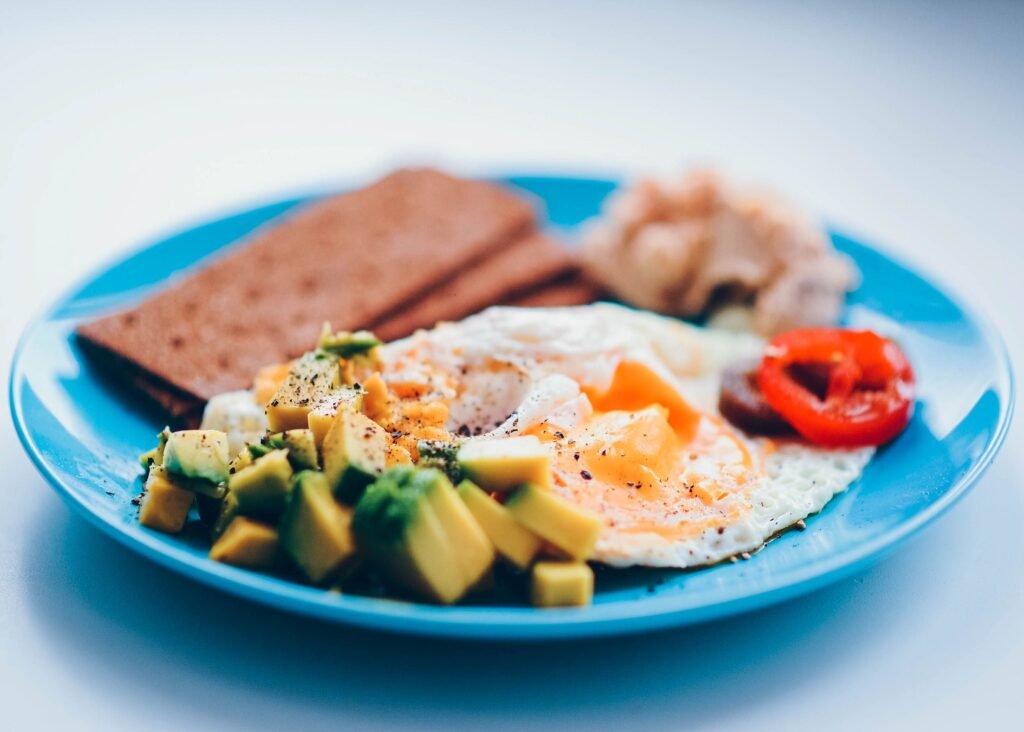
My personal go-to first meal is two scrambled eggs with smoked salmon and half an avocado. That combination alone gets me close to 35 grams of protein and keeps me genuinely satisfied for hours. Other excellent options include Greek yogurt with hemp seeds, a protein smoothie with collagen peptides and nut butter, or cottage cheese with berries and pumpkin seeds.
Need easy first meal ideas? My post 10 High-Protein Breakfasts for Women Over 50 That Keep You Full has 10 delicious options that work perfectly as your fast-breaking meal.
Add healthy fats alongside your protein
Healthy fats do two really important things when you break your fast. They slow digestion, which prevents that blood sugar spike, and they support hormone production, which is especially valuable for women in perimenopause and menopause. Breaking your fast with protein, healthy fats, and greens helps avoid insulin spikes and supports hormonal health for women over 40.
My favorites are avocado, a drizzle of good olive oil, a small handful of walnuts, or a tablespoon of almond butter. None of these need to be in large quantities. Even a modest amount of healthy fat alongside your protein makes a noticeable difference in how you feel for the rest of the morning.
Include some leafy greens if you can
I know a big salad isn’t everyone’s idea of a first meal but even a small handful of spinach sauteed alongside your eggs, or a little arugula on the side, goes a long way. Greens are rich in magnesium, folate, and fiber, all of which support blood sugar regulation and gut health, both of which tend to need extra attention during perimenopause and menopause.
If you really can’t face greens first thing, add them to your second meal instead. The goal is to include them somewhere in your eating window every single day.
What to avoid when breaking your fast
Just as important as what you eat is what you avoid in those first moments after your fasting window opens. Here are the things I’ve learned to steer clear of and why:
Sugary foods and drinks
Juice, sweetened coffee drinks, pastries, jam on toast, sugary yogurt, sweetened granola. These all cause a rapid blood sugar spike on an empty stomach that hits harder after fasting than it would at any other time of day. The spike feels good for about 20 minutes and then the crash arrives and brings cravings and fatigue with it. I made this mistake so many times before I understood what was happening.
Ultra-processed foods
Packaged snack bars, flavored rice cakes, breakfast cereals, most store-bought muffins. Even the ones marketed as healthy are often loaded with added sugars and refined carbohydrates that will undermine everything your fast just worked hard to achieve. After a fasting period your body deserves real, whole food as its first fuel source.
Large amounts of caffeine on an empty stomach
I love my morning coffee as much as anyone and I’m not suggesting you give it up. But drinking two or three large coffees before eating anything when your fasting window opens can spike cortisol significantly, which is the last thing we need in midlife when cortisol levels are already tending to run higher. Filling up on coffee to take away hunger pangs during fasting can exacerbate perimenopause and menopause symptoms. My approach is one cup of black coffee during my fasting window and then I eat before having any more.
Eating too much too fast
This one surprised me when I first learned about it. After a fasting period, your digestive system needs a moment to get up to speed. Eating a very large meal very quickly right as your window opens can cause bloating, discomfort, and actually slow down digestion rather than supporting it. Start with a moderate, nourishing meal and let your body settle before eating more if you’re still hungry.
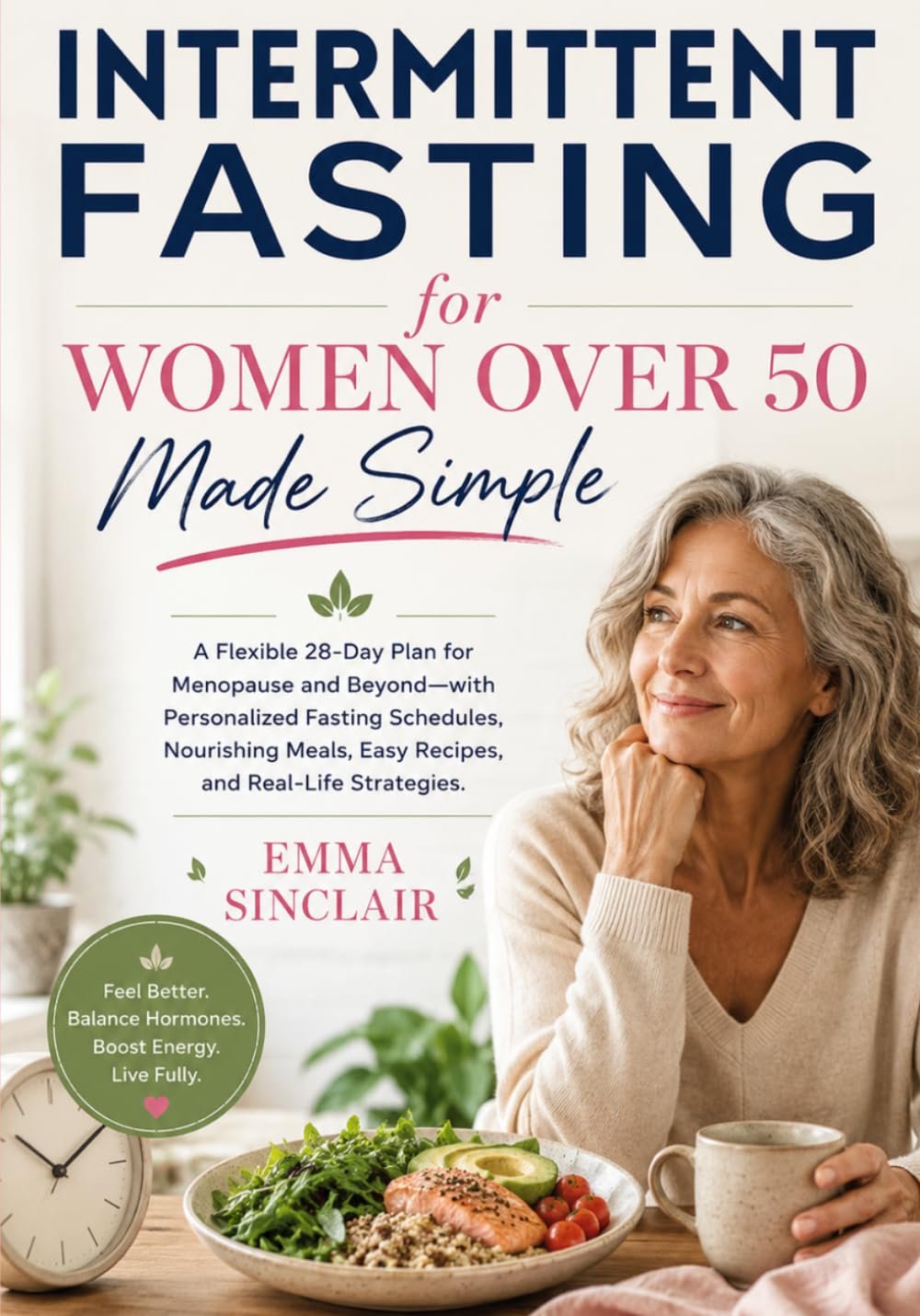
Your simple, flexible 28-day roadmap to intermittent fasting designed specifically for women in menopause and beyond.
Grab your copy on AmazonMy favorite fast-breaking meals
I want to give you some really practical, real-life options here rather than just principles. These are the meals I come back to again and again because they’re quick, genuinely delicious, and make me feel fantastic for the rest of the morning.
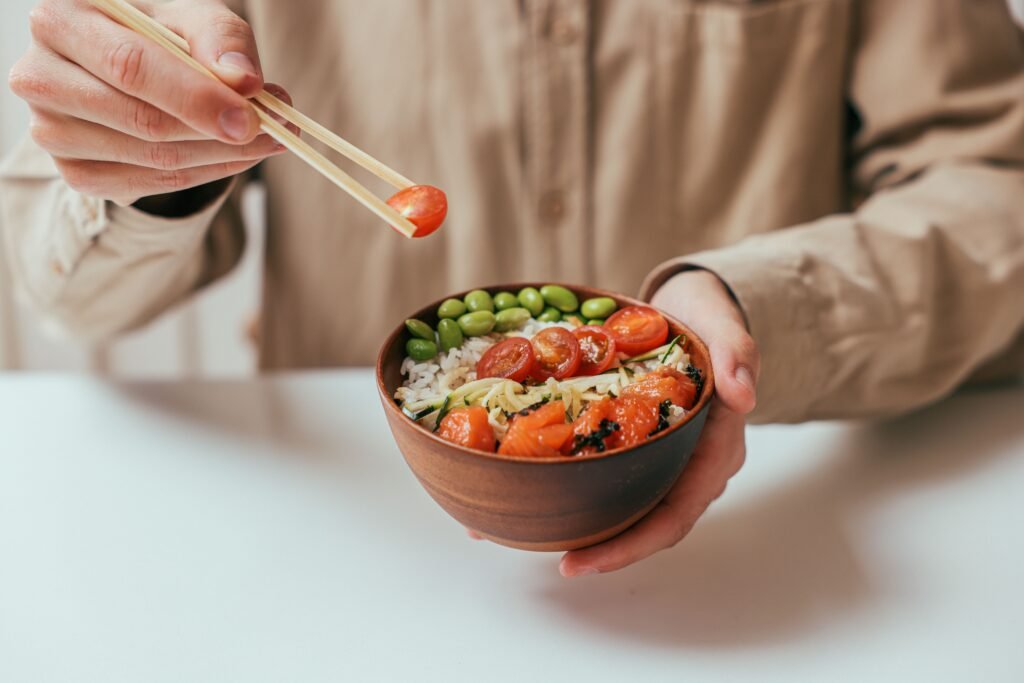
- Scrambled eggs with smoked salmon and avocado. My absolute favorite. Quick, satisfying, and delivers around 35 grams of protein with plenty of healthy fats. Add a squeeze of lemon and some capers for even more flavor.
- Greek yogurt with hemp seeds, berries, and almond butter. This one takes about two minutes and is perfect for mornings when I don’t want to cook. The hemp seeds alone add around 10 grams of protein per three tablespoons.
- Protein smoothie with collagen peptides. A scoop of protein powder, a tablespoon of collagen peptides, a handful of frozen spinach, half a frozen banana, almond butter, and almond milk. Around 30 grams of protein and completely delicious. I genuinely look forward to this one.
- Cottage cheese bowl with fruit and walnuts. One cup of cottage cheese delivers around 25 grams of protein. Top it with sliced peaches or pineapple and a handful of walnuts and you have a complete, balanced first meal in minutes.
- Turkey and egg breakfast wrap. Two scrambled eggs, a couple of slices of lean turkey, spinach, and a smear of hummus in a whole grain wrap. Over 30 grams of protein and it travels well if you need to eat on the go.
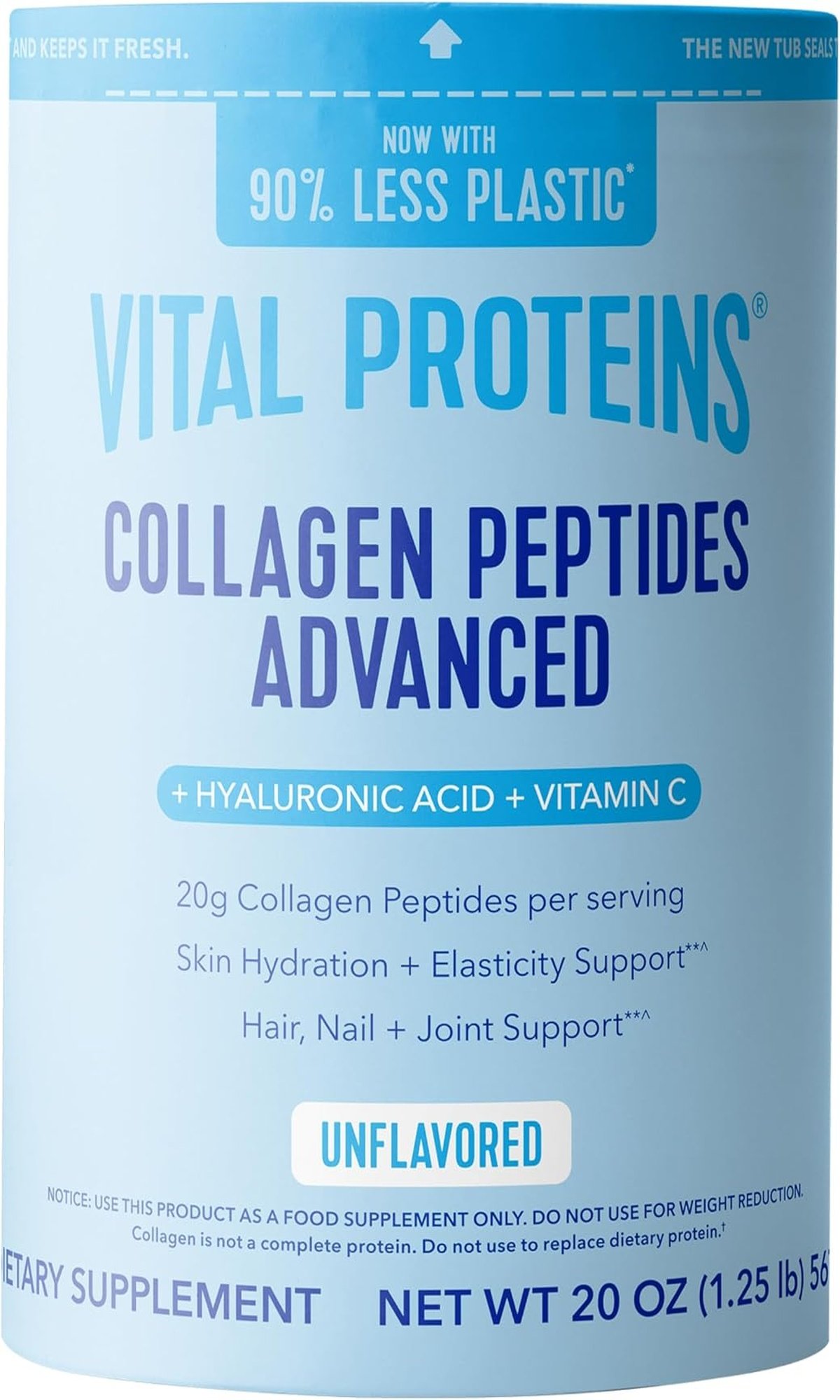
Support your skin, joints, and cellular health from the inside out. A daily scoop added to your first meal or morning smoothie pairs beautifully with your fasting lifestyle.
Find it on AmazonA simple fast-breaking routine to follow
If you want to keep this really simple, here is the routine I follow and recommend to anyone just getting started:
- Drink a large glass of water first. Before anything else, rehydrate. Your body has been without water for however many hours you slept and fasted. A big glass of water before your first bite makes a real difference in how you feel.
- Wait 10 to 15 minutes before eating. Give your digestive system a gentle signal that food is on the way. This small pause also helps you eat more mindfully rather than wolfing down the first thing you can find.
- Build your plate around protein first. Decide what your protein source is and build the rest of the meal around it. Eggs, salmon, Greek yogurt, cottage cheese, chicken, whatever appeals to you. Aim for at least 25 to 30 grams.
- Add healthy fat and some greens. Avocado, olive oil, nuts, or seeds alongside whatever vegetables you enjoy. Even a small amount counts.
- Eat slowly and notice how you feel. After fasting, your hunger signals can feel intense. Eating slowly gives your body time to register fullness before you’ve overeaten.
Want to know what to eat for the rest of your eating window? My post What to Eat During Your Intermittent Fasting Eating Window covers exactly that.
Frequently asked questions
What is the best food to break an intermittent fast with?
The best foods to break a fast with are high-protein, nutrient-dense options that stabilize blood sugar gently rather than spiking it. Scrambled eggs with avocado and smoked salmon, Greek yogurt with seeds and berries, or a protein smoothie with collagen peptides and nut butter are all excellent choices. The key is leading with protein and including some healthy fat alongside it.
Can I break my fast with coffee?
Black coffee during your fasting window is fine and does not break your fast. However, I’d recommend having one cup and then eating your first meal before having more. Large amounts of caffeine on an empty stomach can spike cortisol, which is especially worth being mindful of during perimenopause and menopause when cortisol tends to run higher naturally.
How long after waking should I break my fast?
This depends on your fasting schedule. If you’re doing 14:10 and you closed your eating window at 7pm the night before, your window opens at 9am. You don’t have to eat the very second your window opens but try not to push it much beyond that if you’re feeling hungry. Eating your first meal within 30 to 60 minutes of your window opening keeps your blood sugar stable and sets a positive tone for the rest of the day.
Is fruit a good food to break a fast with?
Fruit can be part of a good fast-breaking meal but I’d recommend not leading with it alone, especially high-sugar fruits like watermelon or grapes. The natural sugars in fruit, while much better than refined sugar, can still cause a blood sugar rise on an empty stomach. Pair fruit with protein and fat instead. Berries with Greek yogurt and nut butter, for example, is a much more balanced option than fruit on its own.
What should I absolutely avoid when breaking my fast?
The main things to avoid are sugary drinks and foods, ultra-processed snacks and cereals, pastries and refined carbohydrates, and eating very large amounts very quickly. All of these will spike your blood sugar rapidly after fasting, cause an energy crash, and leave you hungrier than before within the hour. Start with whole, nourishing food and your body will respond beautifully.
Getting your fast-breaking meal right is honestly one of the most satisfying parts of the intermittent fasting lifestyle once you nail it. That first meal becomes something you genuinely look forward to, a nourishing reward after the fast rather than just a habit you rush through. I hope these ideas make it feel easy and enjoyable. You’ve absolutely got this.
Want the complete fasting plan laid out for you?
My 28-day guide covers exactly what to eat to break your fast, what to eat throughout your window, and how to build your fasting schedule gradually so it works for your body and your life. Simple, practical, and made just for women in midlife.
Grab your copy on AmazonAffiliate link. See disclosure at top of post.
A little note from Emma: The information shared on Her Wellness Path is for educational and informational purposes only and is not intended as medical advice. I’m not a doctor or registered dietitian — just a woman who has done a lot of research and wants to share what has worked for me. Every body is different, especially during perimenopause and menopause, so please always check with your healthcare provider before making changes to your diet, fasting routine, or wellness plan. You know your body best.