This post contains affiliate links. If you purchase through my links, I may earn a small commission at no extra cost to you. I only recommend products I genuinely believe in. Thank you for supporting this blog!

By Emma Sinclair | Her Wellness Path
Yes, intermittent fasting can absolutely work after 50, but not the way most advice online describes it. If you have tried the classic 16:8 schedule and ended up exhausted, headachy, or staring at the clock at 11 am, that is not a sign you failed. It is a sign the advice was not written for you.
Women in their 40s, 50s, and beyond have different hormonal needs than a 28-year-old gym enthusiast. The good news? A gentler, more flexible approach to intermittent fasting works beautifully for midlife women, and the research backs it up. This guide walks you through exactly how to start, what schedule to try first, and how to actually enjoy the process.
Why intermittent fasting works differently after 50
Menopause changes a lot more than just your cycle. Declining estrogen levels shift where your body stores fat (hello, belly), slow your metabolism, and reduce insulin sensitivity, making it easier to gain weight and harder to lose it through traditional calorie-cutting alone.
This is exactly where intermittent fasting can help. Research shows that women who combined intermittent fasting with exercise saw greater reductions in body mass index than those who exercised alone. Fasting also helps regulate insulin levels, encourages your body to burn stored fat for energy, and supports healthy brain function by increasing a key protein called BDNF, which declines with age.
The catch? Aggressive fasting windows can spike cortisol (your stress hormone), disrupt sleep, and actually make menopause symptoms worse. The secret is starting gently and working with your hormones, not against them.

The best fasting schedules for midlife women
Not all fasting schedules are equal, especially in midlife. Here is a simple comparison of the three most common approaches and how they suit women over 50:
| Schedule | What it means | Best for | Midlife verdict |
|---|---|---|---|
| 12:12 | Fast 12 hrs, eat 12 hrs | Complete beginners | Excellent starting point |
| 14:10 | Fast 14 hrs, eat 10 hrs | Most midlife women | Sweet spot for results without stress |
| 16:8 | Fast 16 hrs, eat 8 hrs | Experienced fasters | Only if 14:10 feels easy and sustainable |
For most women over 50, the 14:10 schedule is the sweet spot. It supports weight management and metabolic health without putting excess stress on your hormones. A practical example: finish dinner by 7 pm, have your first meal at 9 am. That is it. You are already sleeping through most of the fast.
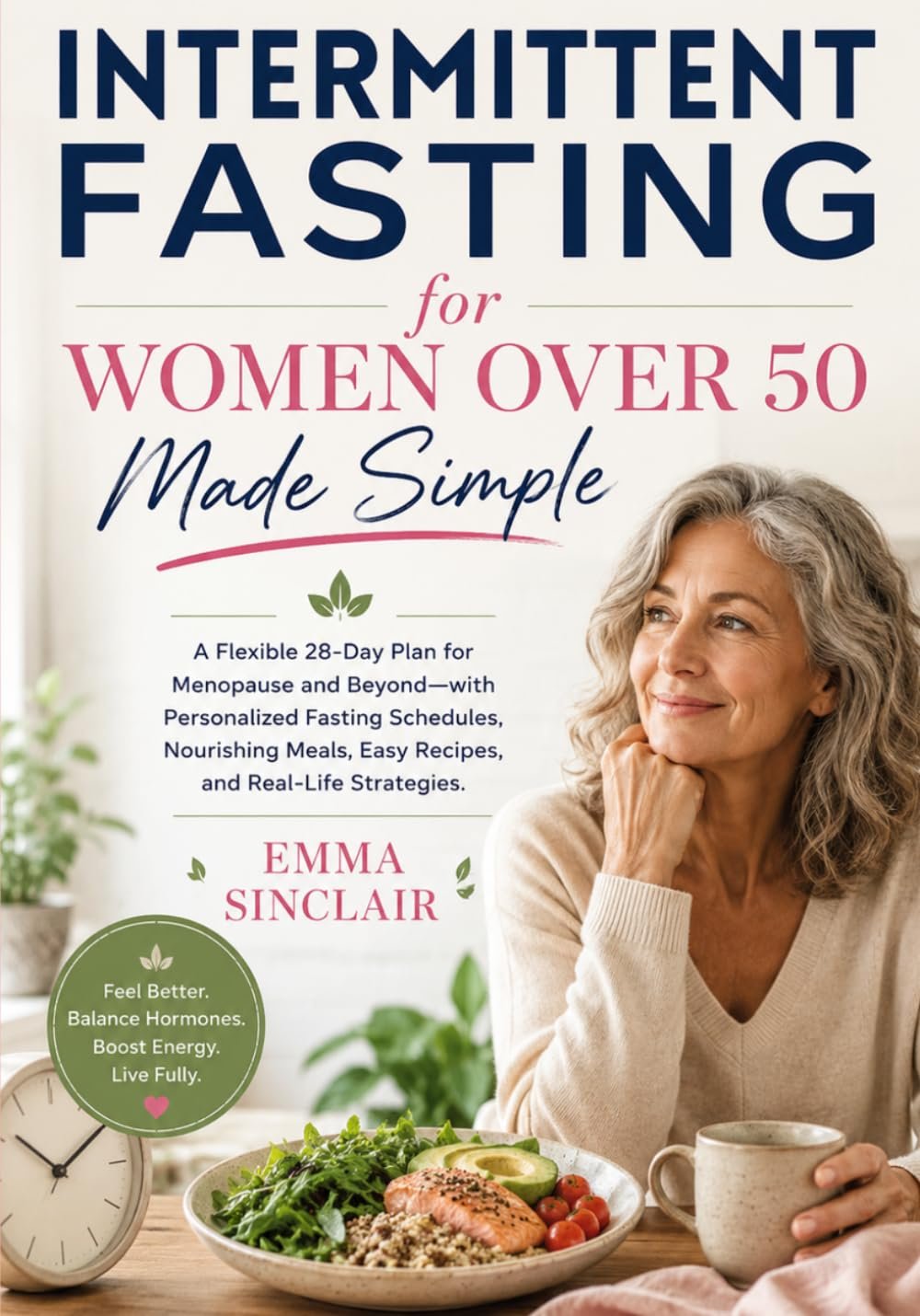
Practical fasting schedules, nourishing meal ideas, and realistic strategies designed with women in midlife in mind
Grab your copy on AmazonHow to start intermittent fasting after 50 (step by step)
The biggest mistake women make is jumping straight to a 16-hour fast on day one. Do not do that to yourself. Here is a gentle progression that actually works:
- Week 1 to 2: Start with 12:12. Close the kitchen after dinner, say by 7 pm, and do not eat again until 7 am. That is your 12-hour fast, and a lot of it happens while you sleep. Easy.
- Week 3 to 4: Extend to 13 hours. Push your first meal back by one hour, so breakfast at 8 am. Notice how your energy and hunger feel. No need to rush.
- Week 5 onwards: Try 14:10 if it feels right. First meal at 9 am, last meal by 7 pm. This is where most women find their groove. Stay here as long as you like.
- Only go longer if life genuinely feels better. If you want to try 16:8 eventually, do it on a low-stress, well-rested day and see how your body responds. There is no prize for the longest fast.

5 practical tips to make intermittent fasting work after 50
1. Eat earlier in the day, not later
Try to front-load your eating window. A 9 am to 7 pm window tends to work better for midlife women than skipping breakfast and eating late at night. Your insulin sensitivity is higher earlier in the day, so your body uses food more efficiently in the morning.
2. Prioritize protein at every meal
As estrogen declines, your body becomes less efficient at building and maintaining muscle. Make sure every meal inside your eating window includes a good protein source, such as eggs, chicken, fish, Greek yogurt, or legumes. This keeps you fuller, protects your muscle mass, and makes the fast feel much easier.
3. Drink plenty of water and herbal tea
Plain water, black coffee, and herbal teas are all fine during your fasting window and will not break your fast. Staying well hydrated is one of the simplest ways to reduce hunger pangs and headaches, especially in the first week or two. I like the convenience of the Owala Stainless Steel Water Bottle for keeping water close at hand throughout the day.
4. Do not fast through a bad night
If you had terrible sleep, you are already running high cortisol. Adding a long fast on top of that is a stress your body does not need. On poor sleep days, eat a nourishing breakfast at your normal time and return to fasting tomorrow. Flexibility is a feature, not a failure.
5. Add gentle movement, but time it well
Light walks, yoga, or stretching during your fasting window are fine and can actually enhance the benefits. Save harder workouts like strength training for after your first meal, when you have fuel to support muscle recovery.
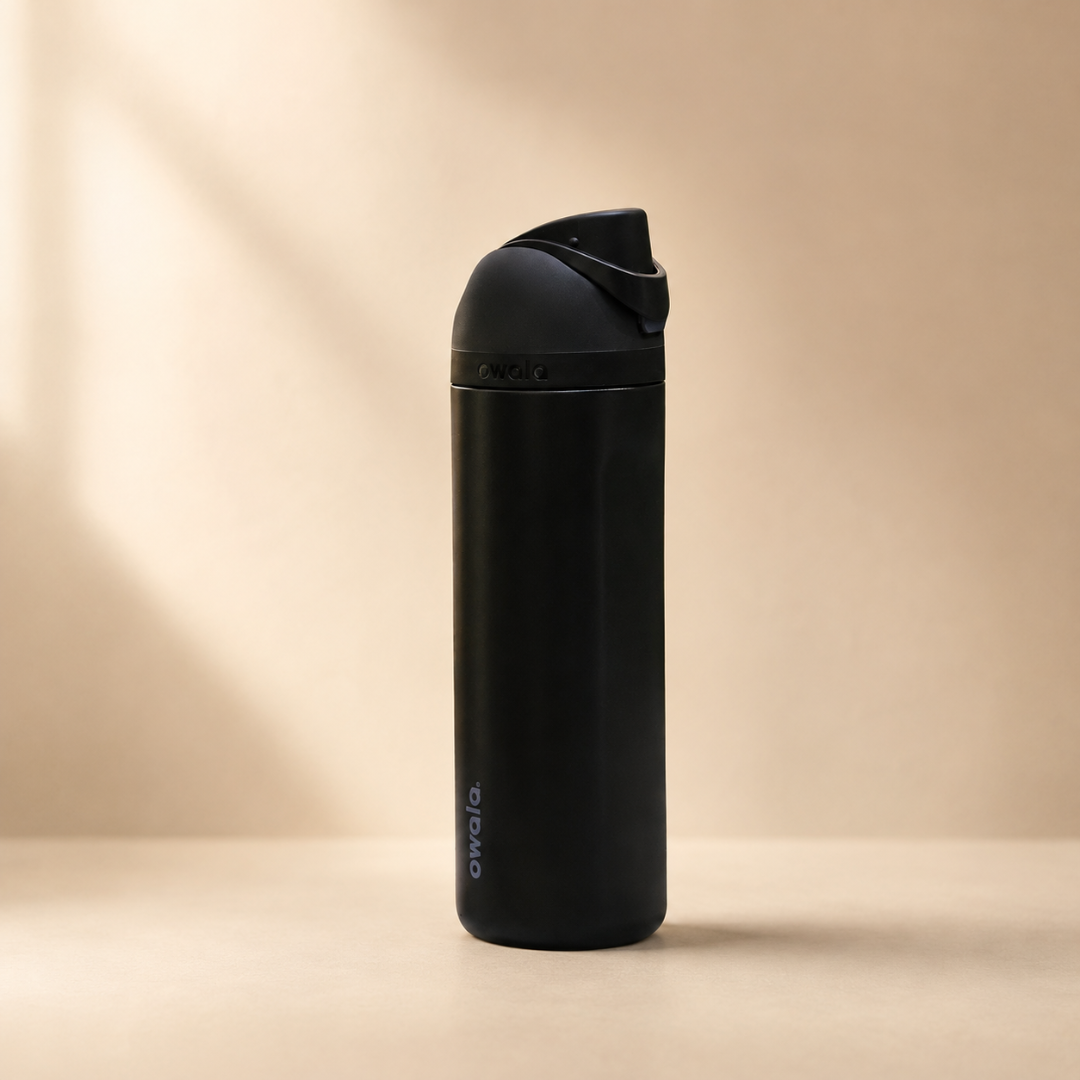
A convenient reusable water bottle makes it easier to stay hydrated throughout the day, whether you’re at home, working, or on the go.
Find it on AmazonCommon mistakes to avoid when starting intermittent fasting after 50
- Jumping straight to 16:8. Too aggressive for most beginners, especially with fluctuating hormones. Start at 12:12 and build up slowly.
- Skipping protein. Eating biscuits and crackers inside your eating window and calling it fasting defeats the purpose. Food quality matters just as much as timing.
- Ignoring your body’s signals. Persistent dizziness, extreme fatigue, poor sleep, or worsening menopause symptoms are signs to scale back, not push harder.
- Treating it as a quick fix. Intermittent fasting is a long-term lifestyle rhythm, not a crash diet. Give it at least four to six weeks before judging results.
- Fasting if you have certain health conditions. Women with a history of disordered eating, diabetes, or thyroid conditions should speak with their doctor before starting.
Frequently asked questions
Does intermittent fasting actually work for women over 50?
Yes, though results vary. Research shows that intermittent fasting can support weight management, improve insulin sensitivity, and reduce belly fat in menopausal women, particularly when combined with regular movement and a protein-rich diet. It is not a magic solution, but it is a sustainable tool when done gently.
What can I drink during my fasting window?
Water, sparkling water, plain black coffee, and herbal teas are all fine and will not break your fast. Avoid anything with calories, milk, sugar, or sweeteners during the fasting hours.
What is the best fasting schedule for women in menopause?
Most experts and research point to 14:10 as the best starting schedule for menopausal women. It is long enough to deliver metabolic benefits, but short enough to avoid spiking cortisol or disrupting sleep. Start with 12:12 and build up gradually.
Will intermittent fasting make my menopause symptoms worse?
It can, if you jump in too aggressively. Long fasting windows on top of already fluctuating hormones can raise cortisol, increase irritability, and disrupt sleep. Start gently with a 12- to 14-hour window and prioritize good food during your eating window to minimize this risk.
Can I exercise while fasting?
Gentle movement like walking or yoga during your fasting window is absolutely fine. For more intense exercise like strength training or cardio, it is generally better to schedule those after your first meal so you have the energy and protein to support recovery.
Who should not try intermittent fasting?
Women with a history of disordered eating, those with diabetes or prediabetes (without medical supervision), and women with thyroid conditions should speak with their doctor before starting any fasting protocol.
Ready to go deeper?
If you want a complete, step-by-step guide to intermittent fasting designed specifically for women in midlife, including meal plans and practical schedules, grab your copy on Amazon.
Grab your copy on AmazonAffiliate link. See disclosure at top of post.
A little note from Emma: The information shared on Her Wellness Path is for educational and informational purposes only and is not intended as medical advice. I’m not a doctor or registered dietitian. Every body is different, especially during perimenopause and menopause, so please do your own research and always check with your healthcare provider before making changes to your diet, fasting routine, or wellness plan. You know your body best.