This post contains affiliate links. If you purchase through my links, I may earn a small commission at no extra cost to you. I only recommend products I genuinely believe in. Thank you for supporting this blog!
By Emma Sinclair | Her Wellness Path
If you find yourself hungry an hour after breakfast or dragging through your morning on an empty tank, there is a good chance your first meal of the day is not working hard enough for you. For women over 50, protein at breakfast is not just a nice-to-have; it is one of the most powerful tools you have for managing weight, protecting muscle, and keeping energy steady all the way to lunch.
Here is why it matters so much right now: after 50, women lose up to 8% of their muscle mass every decade, and menopause speeds that process up. Muscle is what keeps your metabolism running and your body feeling strong. The good news? Getting 25 to 30 grams of protein at breakfast can make a real difference, and it does not have to mean choking down a chalky protein shake every morning.
Here are 10 delicious, easy high-protein breakfasts designed specifically for women in midlife all satisfying, all practical, and all genuinely good.
1. Scrambled eggs with avocado and smoked salmon
Protein: ~28g
This is the gold standard midlife breakfast. Eggs deliver complete protein and healthy fats that keep blood sugar steady, while smoked salmon adds omega-3s that support brain health and reduce inflammation, both especially important during and after menopause. Serve over half an avocado for a meal that keeps you full for hours. Add a sprinkle of everything bagel seasoning to make it feel a little special.
2. Greek yogurt parfait with berries and seeds
Protein: ~25g
Swap regular yogurt for full-fat plain Greek yogurt to instantly double your protein. Layer it with a handful of mixed berries (packed with antioxidants that support hormonal health) and a tablespoon each of hemp seeds and pumpkin seeds. Hemp seeds alone add around 10 grams of protein per three tablespoons — they are one of the most underrated protein sources around. This comes together in under three minutes and feels like a treat.
3. Cottage cheese bowl with fruit and walnuts
Protein: ~24g
Cottage cheese had a moment recently, and for good reason. One cup delivers around 25 grams of protein, making it one of the most protein-dense breakfast foods available. If you have not tried it lately, give it another chance with a drizzle of honey, sliced peaches or pineapple, and a small handful of walnuts. The combination of protein, healthy fat, and natural sweetness is genuinely satisfying. It also works beautifully as a savory bowl with cucumber, cherry tomatoes, and a pinch of everything seasoning.
4. Protein-packed overnight oats
Protein: ~30g
Regular oats are a solid breakfast, but they fall short on protein. The fix is simple: stir in a scoop of vanilla protein powder and use Greek yogurt instead of (or alongside) milk when you mix your oats the night before. In the morning, top with nut butter and banana slices. You end up with a creamy, filling breakfast with up to 30 grams of protein that you can grab straight from the fridge. Prep five jars on Sunday and your weekday mornings are sorted.
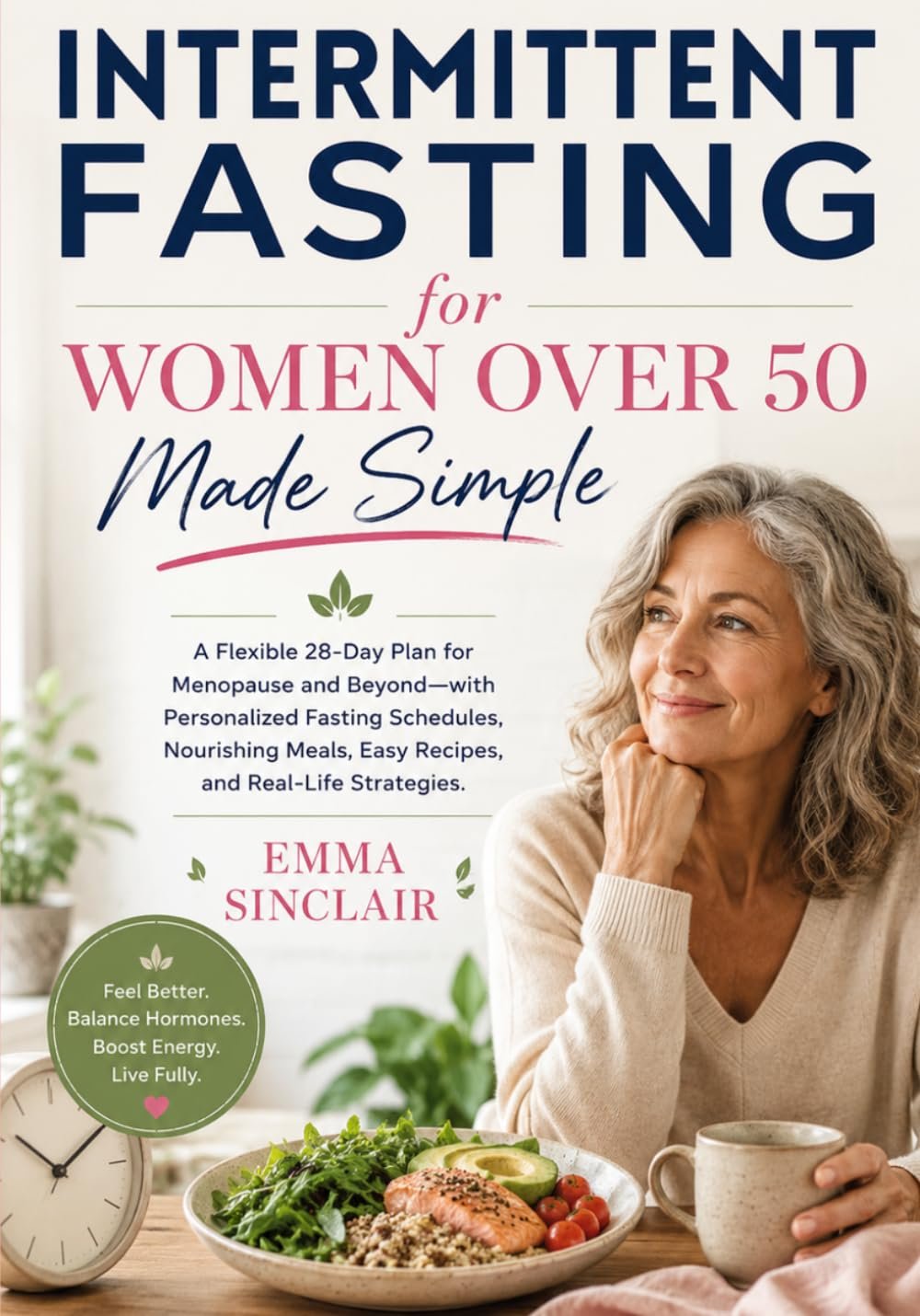
Pair a high-protein breakfast with a simple fasting schedule — your complete 28-day plan for midlife women.
Grab your copy on Amazon5. Make-ahead egg muffins
Protein: ~22g (3 muffins)
Think of these as mini frittatas baked in a muffin tin. Whisk together six to eight eggs; add your favorite fillings diced bell peppers, spinach, feta cheese, and sun-dried tomatoes work beautifully pour into a greased muffin tin, and bake at 350°F for 20 minutes. They keep in the fridge for up to five days and can be eaten cold or reheated in 60 seconds. Make a batch on the weekend, and you have a high-protein breakfast ready every single morning with zero effort.
6. Tofu scramble with spinach and peppers
Protein: ~22g
If you are plant-based or simply want to cut back on eggs, a tofu scramble is your best friend. Use firm tofu, crumble it into a pan with a little olive oil, and season with turmeric, garlic powder, nutritional yeast, and a pinch of black salt (which gives it an egg-like flavor). Add a big handful of spinach and some diced red pepper. The result is a savory, satisfying scramble that rivals eggs in protein content and is rich in phytoestrogens, plant compounds that may help ease menopause symptoms naturally.
7. Turkey and egg breakfast wrap
Protein: ~32g
This one is for the mornings when you need something substantial. Scramble two eggs and wrap them in a whole grain or high-protein tortilla with two to three slices of lean deli turkey, a handful of baby spinach, and a dollop of hummus or avocado. It takes about five minutes, travels well if you are eating on the go, and delivers over 30 grams of protein to power you through until lunch. This is one of the highest-protein breakfasts on the list and one of the most underrated.
8. High-protein chia pudding
Protein: ~20g
Chia pudding on its own is a great breakfast, but it is relatively low in protein unless you build it strategically. The trick is to mix your chia seeds with unsweetened almond milk and a scoop of vanilla protein powder, then stir in two tablespoons of almond butter before refrigerating overnight. By morning, you have a thick, creamy pudding with around 20 grams of protein, plenty of omega-3s, and fiber to support digestion, a common concern for women in menopause.
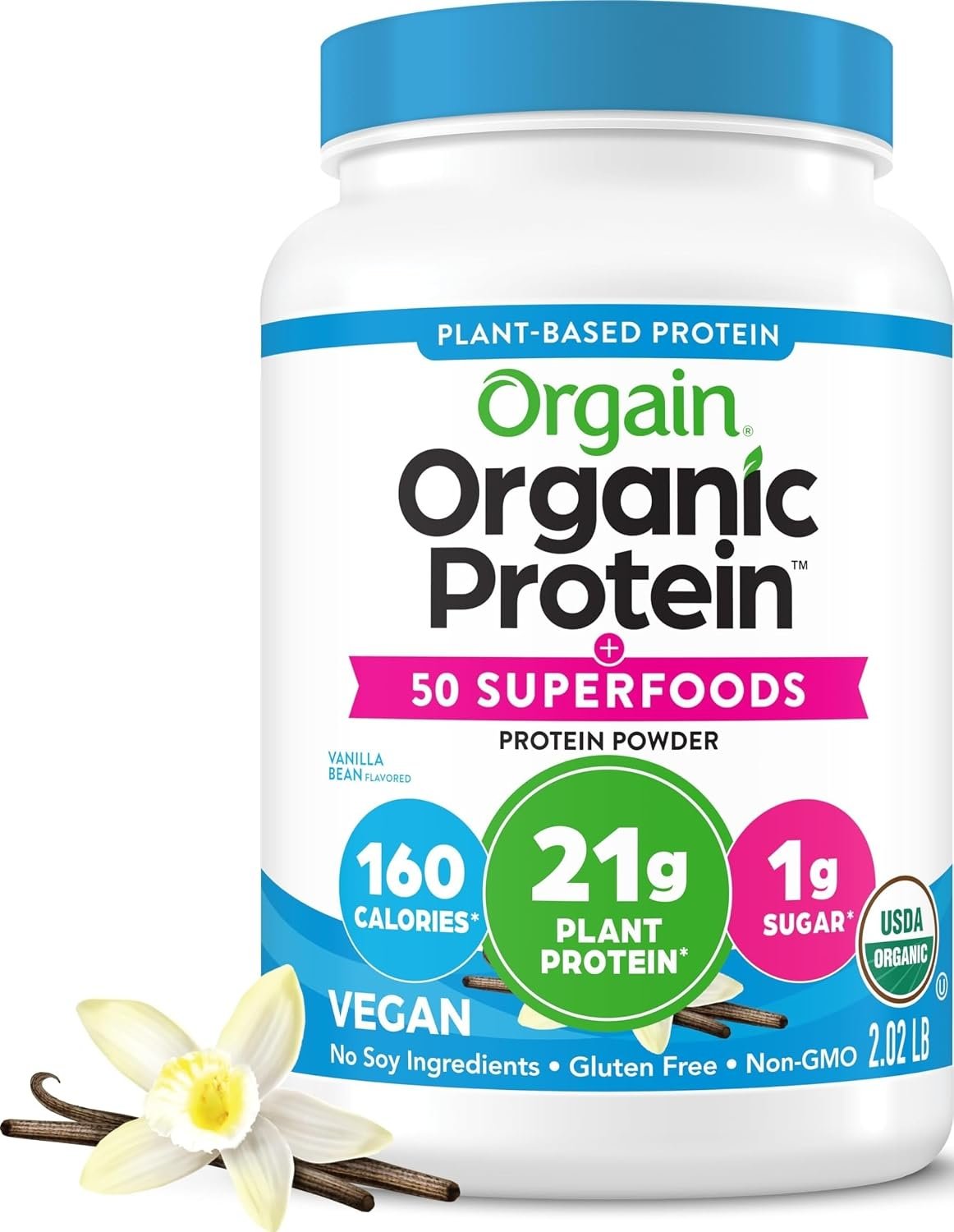
A clean, plant-based protein powder that makes hitting your daily protein goals simple and delicious.
Find it on Amazon9. Smoked salmon and cream cheese on whole grain toast
Protein: ~24g
This feels indulgent but takes less than five minutes. Spread a generous layer of cream cheese or whipped ricotta on two slices of whole-grain toast, top with smoked salmon, thin red onion slices, capers, and a squeeze of lemon. The combination of protein from the salmon and healthy fats from the cream cheese keeps you satisfied for hours. For an extra protein boost, top it with a sliced hard-boiled egg. It looks like something from a brunch menu and costs a fraction of the price.
10. The 30-gram protein smoothie
Protein: ~30g
A smoothie can be the least filling breakfast you eat, or one of the most powerful, depending on what goes in it. For a genuinely high-protein version, blend one scoop of unflavored or vanilla protein powder, one cup of plain Greek yogurt, a handful of frozen spinach (you will not taste it), half a frozen banana, one tablespoon of almond butter, and enough unsweetened almond milk to blend smoothly. The result is thick, creamy, and packed with around 30 grams of protein. Add a tablespoon of ground flaxseed for an extra boost of omega-3s and fiber.
Quick protein reference
| Breakfast | Approx. protein | Prep time |
|---|---|---|
| Eggs, avocado and smoked salmon | 28g | 10 mins |
| Greek yogurt parfait | 25g | 3 mins |
| Cottage cheese bowl | 24g | 3 mins |
| Protein overnight oats | 30g | 5 mins (night before) |
| Make-ahead egg muffins | 22g | 25 mins (batch) |
| Tofu scramble | 22g | 10 mins |
| Turkey and egg wrap | 32g | 5 mins |
| High-protein chia pudding | 20g | 5 mins (night before) |
| Smoked salmon toast | 24g | 5 mins |
| 30-gram protein smoothie | 30g | 5 mins |
Frequently asked questions
How much protein do women over 50 need at breakfast?
Research suggests that women in perimenopause and beyond should aim for 25 to 30 grams of protein at breakfast. The 2025 Dietary Guidelines for Americans recommend a protein serving at every meal, noting that adults currently consume only around 16% of their daily protein at breakfast, far below what is optimal, especially for older women. Starting your day in the 25 to 30 gram range helps protect muscle mass, stabilize blood sugar, and reduce cravings through the day.
Why is protein so important for women in menopause?
Declining estrogen directly affects how your body builds and maintains muscle. After the age of 40, women lose up to 8% of their muscle mass every decade, and the rate speeds up during menopause. This muscle loss can slow down metabolism, contribute to weight gain, and leave you feeling more fatigued than ever. A high-protein breakfast is one of the simplest ways to push back against that process every single day.
Can I get enough protein at breakfast without eating eggs every day?
Absolutely. Greek yogurt, cottage cheese, smoked salmon, tofu, turkey, protein powder, and hemp seeds are all excellent non-egg protein sources. The options on this list were designed to give you variety, so breakfast never feels repetitive.
Will eating more protein help me lose weight after 50?
Protein supports weight management in several ways: it keeps you fuller for longer, reduces cravings, and helps preserve the muscle mass that keeps your metabolism healthy. It is not a magic fix on its own, but consistently eating enough protein is one of the most evidence-backed strategies for managing weight during and after menopause.
Want a complete plan to go with your protein breakfast?
Pair these breakfasts with a simple, flexible intermittent fasting schedule designed specifically for women in midlife. My 28-day plan takes the guesswork out of when and what to eat — so you can focus on feeling good.
Grab your copy on AmazonAffiliate link. See disclosure at top of post.
A little note from Emma: The information shared on Her Wellness Path is for educational and informational purposes only and is not intended as medical advice. I’m not a doctor or registered dietitian. Every body is different, especially during perimenopause and menopause, so please do your own research and always check with your healthcare provider before making changes to your diet, fasting routine, or wellness plan. You know your body best.