This post contains affiliate links. If you purchase through my links, I may earn a small commission at no extra cost to you. I only recommend products I genuinely believe in. Thank you for supporting this b

By Emma Sinclair | Her Wellness Path
While this article focuses on women over 50, these exact same metabolic mistakes apply to women in their mid-to-late 40s entering perimenopause.
Can I be honest with you about something? When I first started intermittent fasting, I made almost every mistake in the book. I jumped straight into a 16-hour fast, I broke my fast with the wrong foods, I pushed through on days when my body was clearly telling me to stop. And then I wondered why I felt exhausted, irritable, and wasn’t seeing any results.
Sound familiar? So many women over 50 who try intermittent fasting, don’t see the results they were hoping for, and assume fasting just doesn’t work for them. But in most cases, it’s not the fasting that’s the problem. It’s a handful of really common mistakes that are easy to fix once you know what to look for.
So let me save you some time and frustration. Here are the intermittent fasting mistakes I see most often in women over 50, and exactly what to do instead.
Just getting started with intermittent fasting? Before reading this, make sure you have the basics covered. Check out my post How to Start Intermittent Fasting After 50 (Without Feeling Miserable) first.
Mistake 1: Starting with too aggressive a fasting window
This is probably the most common mistake I see and honestly the one I made myself. Most fasting content online pushes the 16:8 schedule as the starting point. But jumping straight to a 16-hour fast when you’ve never fasted before is a bit like deciding to run a marathon when you’ve never run a mile. It’s a lot to ask of your body, especially with the hormonal changes happening in menopause.
A 16-hour fast can spike cortisol levels, disrupt sleep, and actually make menopause symptoms worse for some women. I learned this the hard way after two weeks of feeling more anxious and exhausted than ever.
What to do instead: Start with a 12:12 schedule and give your body two full weeks to adjust before extending your window by even one hour. Slow and steady genuinely wins this race.

Mistake 2: Not eating enough protein during your eating window
Many women who are fasting are eating crackers, fruit, and salad during their eating window and wondering why they’re losing muscle instead of fat. After 50, protein isn’t optional. It’s essential.
When you fast, your body needs adequate protein during your eating window to protect and rebuild muscle tissue. Without it, you risk losing the muscle mass that keeps your metabolism running and your body feeling strong. This is especially important during menopause when declining estrogen already makes it harder to hold onto muscle.
What to do instead: Aim for 25 to 30 grams of protein at every meal inside your eating window. I have a whole post dedicated to this if you need ideas.
Need easy protein ideas? My post 10 High-Protein Breakfasts for Women Over 50 That Keep You Full has you covered with simple, delicious options.
Mistake 3: Breaking your fast with the wrong foods
What you eat to break your fast matters more than most people realize. After a fasting period, your digestive system is primed and ready, which means it absorbs everything you eat very quickly. If the first thing you put in your body is a sugary coffee drink, a pastry, or a bowl of cereal, you’ll get a sharp blood sugar spike followed by a crash that leaves you ravenous and exhausted within the hour.
I used to break my fast with toast and jam. Then I’d wonder why I was hungrier at 11 am than I was at 9 am. Once I switched to breaking my fast with protein and healthy fats, everything changed. The hunger settled down, my energy stayed even, and the fasting felt genuinely easy for the first time.
What to do instead: Break your fast with a protein-rich meal. Scrambled eggs with avocado, Greek yogurt with berries and seeds, or smoked salmon on whole grain toast are all great options. Save the sweeter foods for later in your eating window if you want them.
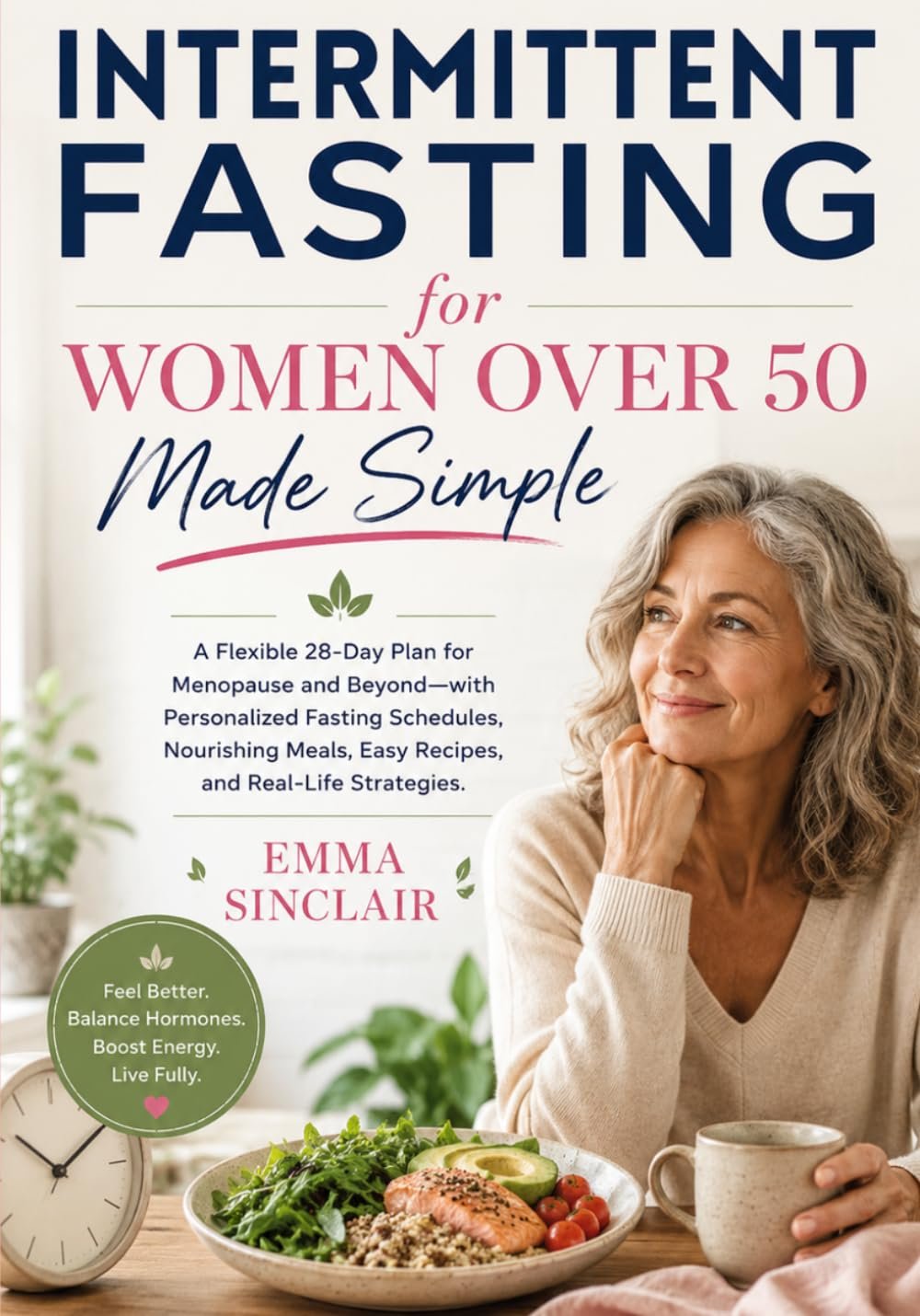
Your simple, flexible 28-day roadmap to intermittent fasting designed specifically for women in menopause and beyond.
Grab your copy on AmazonMistake 4: Pushing through on high-stress or poor sleep days
This one took me a long time to learn and I really wish someone had told me sooner. Intermittent fasting is a mild stressor on the body. In the right conditions, that stress is beneficial. But when you layer it on top of a terrible night’s sleep or a particularly stressful day, it becomes too much for your system to handle gracefully.
Poor sleep already raises cortisol. Adding a long fasting window on top of high cortisol is a recipe for cravings, irritability, brain fog, and holding onto body fat rather than burning it. I now have a simple rule for myself: if I slept badly or I’m going through a stressful period, I eat a nourishing breakfast at my normal time and return to fasting the next day. No guilt, no drama.
What to do instead: Give yourself permission to flex your schedule on hard days. Fasting is a long-term lifestyle, not a daily obligation. Missing a day doesn’t undo your progress. It protects it.
Mistake 5: Not drinking enough water during the fasting window
I used to think hunger pangs during my fasting window meant I was dying. Turns out, most of the time I was just dehydrated. Thirst and hunger feel remarkably similar and once I started drinking more water during my fasting hours, the hunger pangs that used to send me running to the kitchen basically disappeared.
During your fasting window, your body is working hard to clear out cellular waste and regulate blood sugar. Staying well hydrated supports all of that and makes the fast feel noticeably easier. I aim for at least two large glasses of water before my eating window even opens.
What to do instead: Keep a water bottle nearby during your fasting hours. I find that having one I actually love makes such a difference — I’m so much more likely to sip consistently throughout the morning when it’s sitting right in front of me. Plain water, sparkling water, black coffee, and herbal teas are all fine during your fast. If you feel a hunger pang, drink a full glass of water and wait 10 minutes. More often than not, it passes completely.
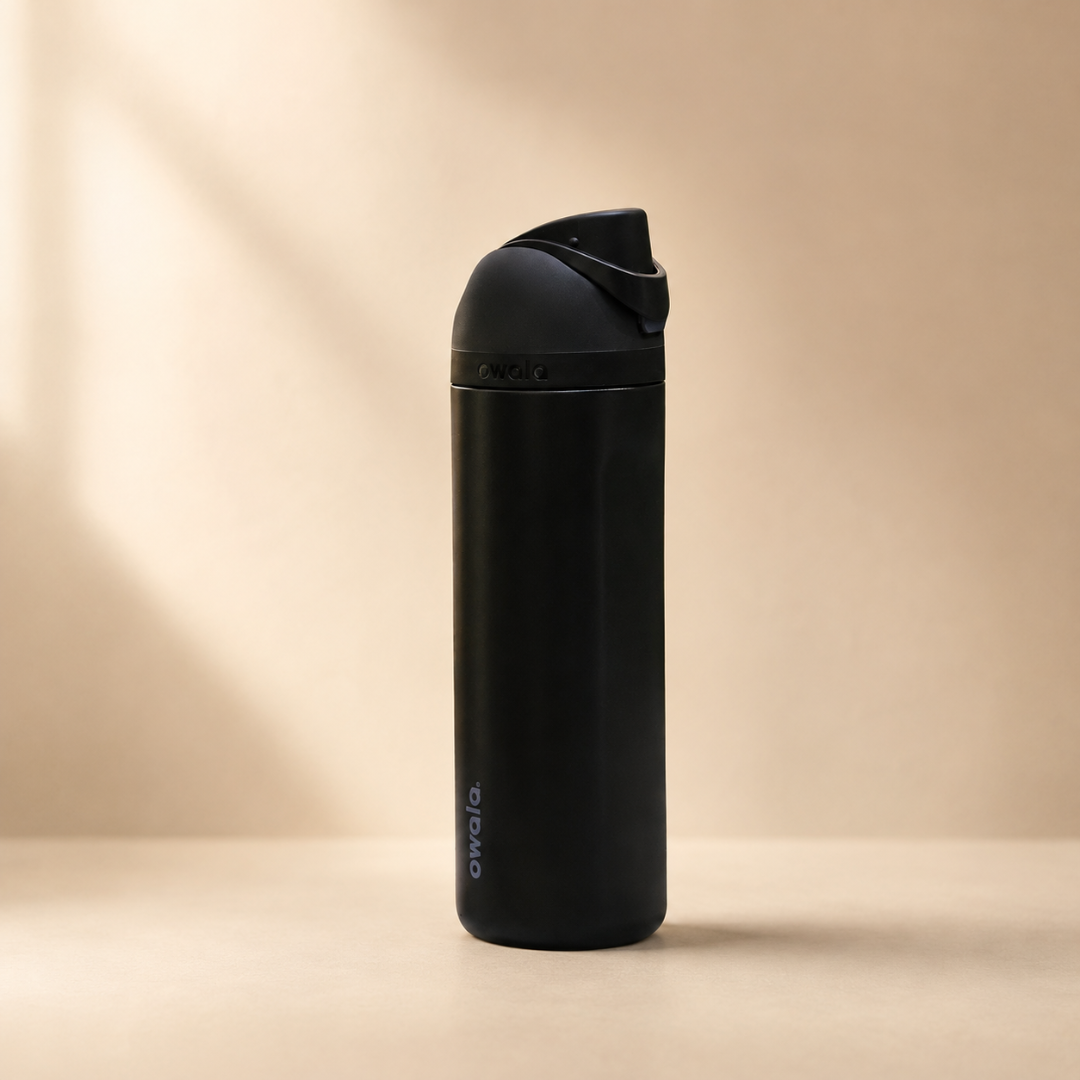
Keeps water cold for 24 hours so staying hydrated through your fasting window has never been easier.
Find it on Amazon
Mistake 6: Expecting results too quickly
I know this isn’t what anyone wants to hear, but I think it’s really important to say it honestly. Intermittent fasting is not a quick fix. Results for women over 50, especially around weight and body composition, tend to come more slowly than they do for younger women or men. That’s not a flaw in the approach. It’s just the reality of our hormonal landscape.
Most women I’ve spoken to who stuck with fasting consistently for 6 to 8 weeks started noticing real changes around the 4 to 6 week mark. Not dramatic overnight transformations, but real, sustainable shifts in energy, bloating, sleep quality, and gradually body composition. The women who gave up at week two missed out on all of that.
What to do instead: Track how you feel rather than just what the scale says. Better sleep, less bloating, more energy, and steadier moods are all signs that fasting is working even before the scale moves. Give it at least 6 weeks before making a judgment.
Mistake 7: Doing it alone without a plan
Fasting without a clear plan is a bit like setting off on a road trip without a map. You might eventually get somewhere, but it’ll take a lot longer and involve a lot of wrong turns. Having a clear schedule, knowing what you’re going to eat during your window, and understanding what to expect in the first few weeks makes such a difference to how sustainable fasting feels.
This is exactly why I wrote my 28-day plan. I wanted to create something that took all the guesswork out of it so you could just follow the plan and focus on how you feel, rather than spending hours trying to figure out what to do each day.
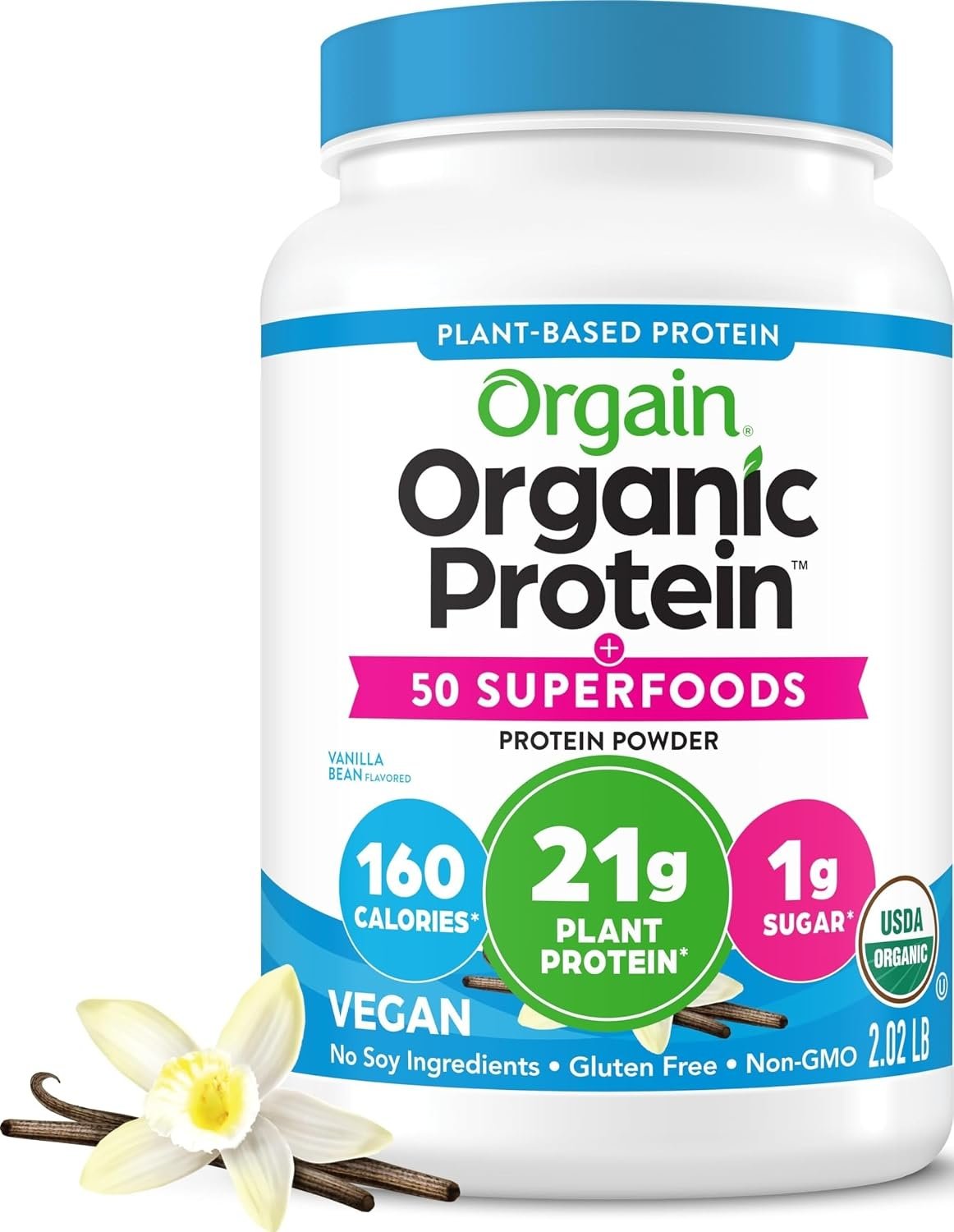
A convenient way to add more protein to your day and make reaching your daily protein goals easier.
Find it on AmazonFrequently asked questions
Why am I not losing weight with intermittent fasting after 50?
There are a few common reasons. You might be starting with too long a fasting window, not eating enough protein during your eating window, breaking your fast with high-sugar foods, or not giving the process enough time. Most women over 50 start seeing real results between weeks 4 and 6. If you’re past that point and still not seeing changes, look honestly at what you’re eating during your window. Food quality matters just as much as the timing.
Is it normal to feel tired when I start intermittent fasting?
Yes, especially in the first one to two weeks. Your body is adapting to running on stored energy rather than constant incoming food and that transition takes time. Make sure you’re staying well hydrated, getting enough sleep, and not starting with too long a fasting window. If fatigue persists beyond two weeks, shorten your window and build back up more slowly.
Can intermittent fasting make menopause symptoms worse?
It can if you approach it too aggressively. Long fasting windows can raise cortisol which may worsen hot flashes, mood swings, and sleep disruption in some women. Starting gently with a 12 to 14 hour window and prioritizing good nutrition during your eating window minimizes this risk significantly. Always listen to your body and scale back if symptoms worsen.
How do I know if intermittent fasting is working?
The scale is one measure but it’s not the only one, and for women over 50 it’s often not the first place results show up. Look for improvements in energy levels, sleep quality, bloating, mental clarity, and mood. These often appear before any visible changes in body composition and they’re a reliable sign that your body is responding well to the fasting lifestyle.
I hope this post saves you from some of the frustration I went through in my own fasting journey. The truth is, intermittent fasting really can be a wonderful tool for women in midlife. It just works best when you approach it gently, give it time, and set yourself up with the right information from the start. You’ve absolutely got this.
Want a complete plan that takes all the guesswork out?
My 28-day intermittent fasting plan was designed specifically for women in midlife. It covers exactly what to eat, when to eat it, and how to build your fasting window gradually so you actually enjoy the process. Simple, practical, and made just for you.
Grab your copy on AmazonAffiliate link. See disclosure at top of post.
A little note from Emma: The information shared on Her Wellness Path is for educational and informational purposes only and is not intended as medical advice. I’m not a doctor or registered dietitian. Every body is different, especially during perimenopause and menopause, so please do your own research and always check with your healthcare provider before making changes to your diet, fasting routine, or wellness plan. You know your body best.