This post contains affiliate links. If you purchase through my links, I may earn a small commission at no extra cost to you. I only recommend products I genuinely believe in. Thank you for supporting this blog!

By Emma Sinclair | Her Wellness Path
So you’ve started intermittent fasting, you’ve figured out your fasting window, you’re getting through your mornings without breakfast, and you’re feeling pretty good about it. But then your eating window opens, and you think… now what do I actually eat?
I’ve been there. And honestly, this is the part most fasting guides completely skip over. They spend all their time talking about when to eat and almost nothing about what to eat. But here’s the thing I’ve learned — what you put on your plate during your eating window matters just as much as the fast itself, especially for women over 50.
When I started being more intentional about what I ate in my window, that’s when I really started feeling the difference. More energy, less bloating, steadier moods, and yes — the scale finally started moving in the right direction. So let me share exactly what’s been working for me and what the research backs up too.
New to intermittent fasting? Before diving into what to eat, make sure your fasting schedule is sorted. I cover everything you need to know in my post How to Start Intermittent Fasting After 50 (Without Feeling Miserable).
Why what you eat during your window matters so much after 50
Here’s something I wish someone had told me earlier. After 50, our bodies are dealing with a lot — declining estrogen, slower metabolism, and a greater tendency to lose muscle mass. Postmenopausal women are at higher risk for lean muscle loss, decreased bone density, and insulin resistance — which means the foods we choose during our eating window need to work double duty.
You don’t have to count every calorie or obsess over macros. But being a little more intentional about what lands on your plate? That’s where the magic happens. Think of your eating window as your body’s golden opportunity to get everything it needs — the nutrients, the protein, the healthy fats — in a shorter timeframe than usual. So let’s make every bite count.
Lead with protein — every single meal
I can’t say this enough: protein is your best friend during your eating window. I’ve noticed that on the days I prioritize protein at my first meal, I barely think about food for the rest of the window. On the days I don’t? I’m reaching for snacks within an hour.
For women over 50, aim for 25 to 30 grams of protein at each meal inside your window. Good sources I come back to again and again include eggs, grilled chicken, canned or fresh salmon, Greek yogurt, cottage cheese, lentils, and tofu. These aren’t fancy or complicated; they’re simple, satisfying, and they do the job beautifully.
Need protein breakfast ideas? I put together a whole list of easy options in my post 10 High-Protein Breakfasts for Women Over 50 That Keep You Full — these work perfectly as your first meal when your eating window opens.
Fill half your plate with vegetables
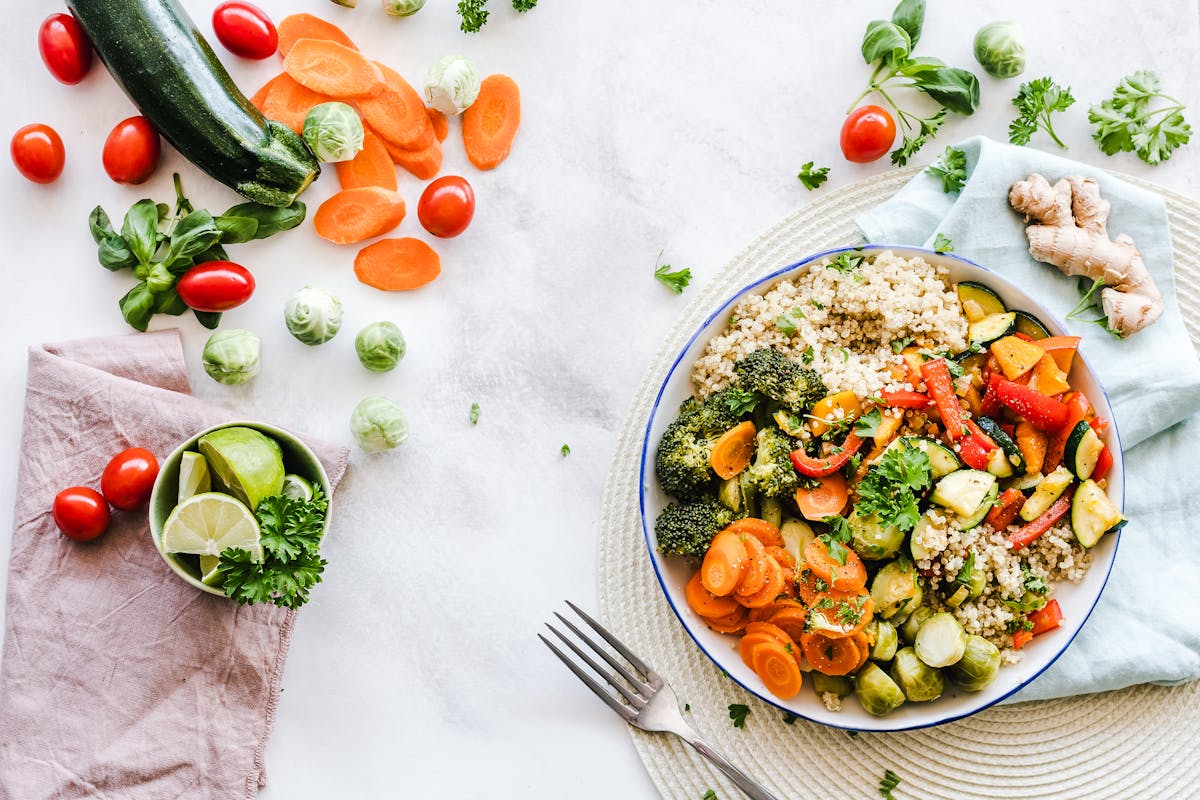
I know, I know you’ve heard this one before. But hear me out because vegetables do something really specific during a fasting lifestyle. They’re packed with fiber, which slows digestion and keeps blood sugar steady, and they’re loaded with the micronutrients your body craves after fasting.
My personal favorites for IF days are leafy greens like spinach and arugula, cruciferous vegetables like broccoli and cauliflower, zucchini, bell peppers, and roasted sweet potato. I try to get at least two different colored vegetables into every meal; it sounds simple, but it makes a huge difference in how nourished I feel by the end of my window.
Don’t overthink this one. A big handful of spinach sautéed in olive oil, some roasted broccoli from the night before, a sliced cucumber on the side — it all counts.
Don’t skip the healthy fats
Fat got a really bad reputation for a long time, and I think a lot of us are still carrying that mindset around. But healthy fats are genuinely essential during your eating window; they help your body absorb fat-soluble vitamins, support hormonal health, and keep you feeling satisfied so you’re not hungry again an hour after eating.
The fats I include every day without fail are avocado(my fav), olive oil, a small handful of walnuts or almonds, and fatty fish like salmon or sardines at least a couple of times a week. Salmon in particular is a superstar for women in menopause; it’s rich in omega-3 fatty acids that support brain health, reduce inflammation, and may even help ease some menopause symptoms. I’ve made it a non-negotiable in my weekly rotation, and I honestly notice the difference when I skip it.
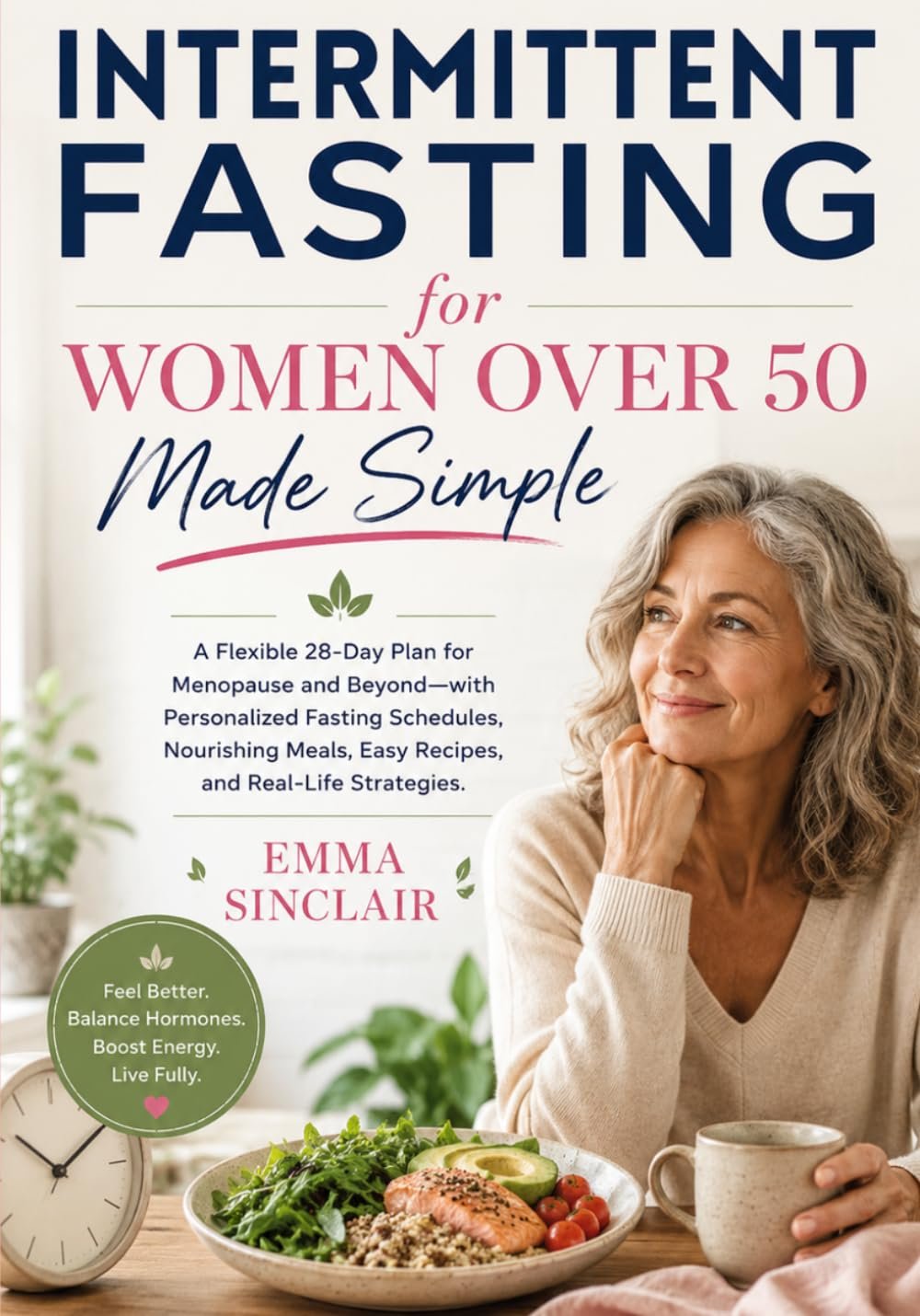
Want a complete 28-day meal plan that maps out exactly what to eat every day of your eating window? It’s all inside this book — simple, practical, and designed for midlife women.
Grab your copy on AmazonChoose complex carbs over simple ones
Carbs are not the enemy. I really want to say that clearly. But the type of carb you choose during your eating window makes a big difference in how you feel and how well your fasting works. Simple carbs like white bread, crackers, sugary cereals, and pastries cause a quick spike in blood sugar followed by a crash, and that crash triggers hunger and cravings, which is the last thing you want after a fast.
Complex carbs are a completely different story. They digest slowly, keep blood sugar steady, and give you lasting energy. My favorites are quinoa, sweet potato, brown rice, oats, and whole-grain bread. I don’t eat huge portions of these maybe a half cup of quinoa or a small sweet potato alongside my protein and vegetables- but they make a meal feel complete and genuinely satisfying.
Eat earlier in your window, not later
This is one of those tips that sounds almost too simple, but it genuinely changed things for me. I used to open my eating window around noon and then have a late dinner at 8 pm. Now I try to front-load my eating: first meal around 9 am, last meal by 6 or 7 pm.
This works so well for women over 50 because our insulin sensitivity is higher earlier in the day. That means our bodies process and use the food we eat in the morning much more efficiently than food eaten late at night. Eating earlier in your window and closing it before the evening is one of the most underrated tweaks you can make to your fasting lifestyle.
Foods to limit or avoid during your eating window
I want to be clear that this isn’t about restriction; it’s about giving your body the best possible fuel during the time you have. That said, there are a few things I’ve found really do undermine your fasting efforts if you’re eating them regularly inside your window:
- Ultra-processed foods — chips, packaged snacks, fast food. They’re calorie-dense and nutrient-poor, which is a tough combination when you’re eating in a shorter window.
- Sugary drinks — juice, soda, sweetened coffee drinks. These spike blood sugar fast and leave you craving more within the hour.
- Refined carbs — white bread, pastries, most breakfast cereals. They’ll derail the blood sugar stability that makes fasting so effective.
- Alcohol — especially in the evening. It disrupts sleep, raises cortisol, and can trigger late-night hunger. I save it for special occasions and genuinely notice the difference.
None of this needs to be perfect, by the way. I’m not saying never have a piece of cake or a glass of wine. I’m just saying that on your regular fasting days, these are the things worth keeping in the background.
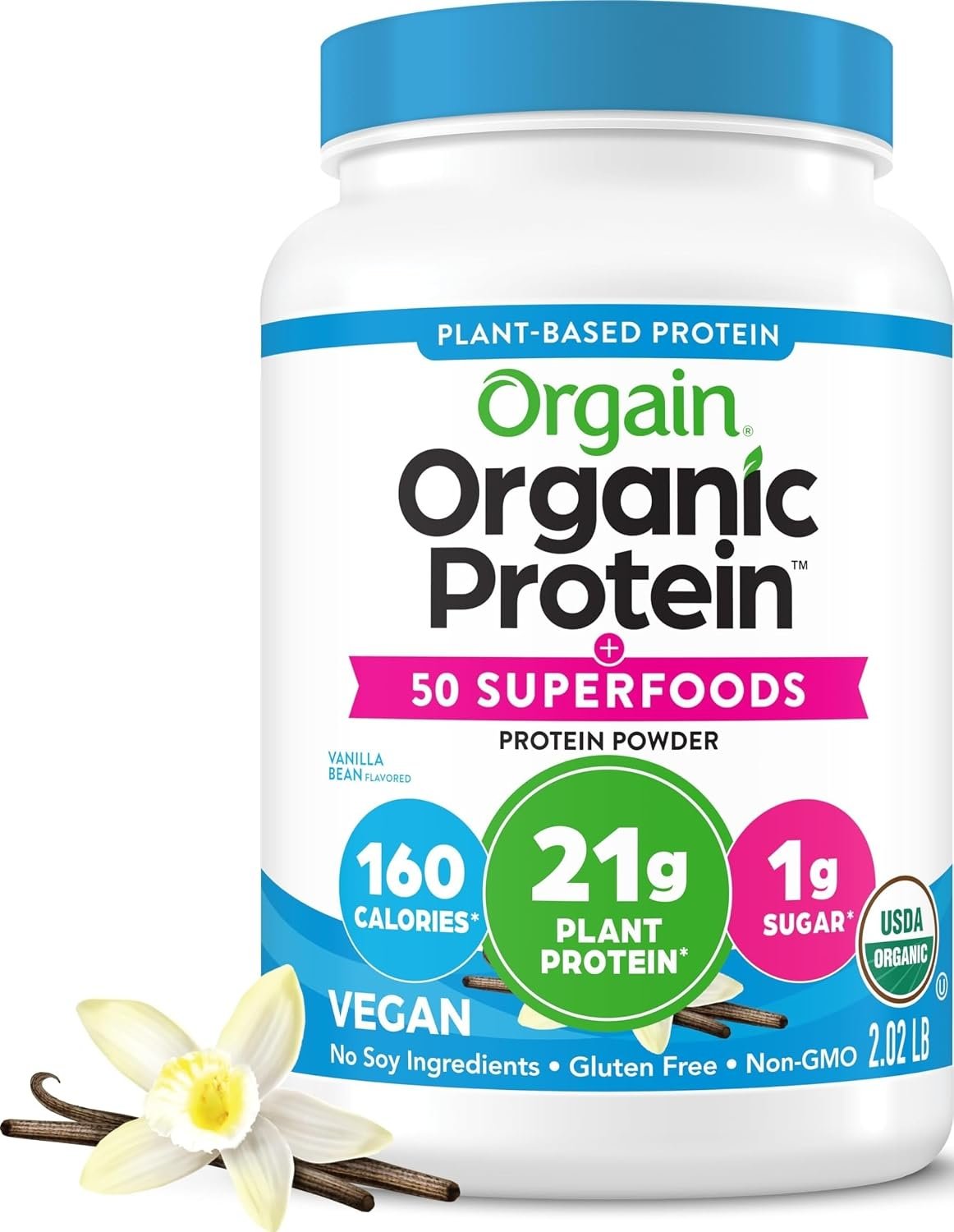
A clean, plant-based protein powder that makes hitting your daily protein goals simple and delicious.
Find it on AmazonA simple sample eating window — what a day might look like
I know it helps to see this all put together rather than just as a list of principles. Here’s a simple example of what a 14:10 eating window day looks like for me:
- 9:00 am (first meal): Two scrambled eggs with spinach and smoked salmon, half an avocado, and a cup of herbal tea
- 12:30 pm (lunch): A big salad with grilled chicken, cucumber, cherry tomatoes, olives, feta, and olive oil dressing — plus a small piece of whole-grain bread
- 3:00 pm (snack if needed): A small handful of walnuts and a couple of squares of dark chocolate, or a half cup of Greek yogurt with berries
- 6:30 pm (last meal): Baked salmon with roasted broccoli and a half cup of quinoa
- 7:00 pm: Eating window closes
Notice that none of this is complicated or expensive. It’s real food, simply prepared. That’s the whole philosophy I’ve built my approach around: simple, practical, and genuinely enjoyable.
Frequently asked questions
Can I eat whatever I want during my intermittent fasting window?
Technically, yes intermittent fasting doesn’t restrict what you eat, only when. But in my experience, if you eat ultra-processed foods or lots of sugar during your window, you’ll feel sluggish, hungry again quickly, and you won’t get the full benefits of the fast. The women who tend to get the best results focus on whole, nutrient-dense foods during their window, not because they have to, but because they notice how much better they feel.
How many meals should I eat during my eating window?
For most women using a 14:10 window, two to three meals work really well. You don’t need to force three full meals; if you’re not hungry some days, two satisfying meals and a small snack are perfect. Listen to your body rather than watching the clock.
Should I eat right when my eating window opens?
You don’t have to eat the second your window opens, but I do recommend eating within the first 30 to 60 minutes rather than waiting too long. Opening your window with a protein-rich meal helps keep your blood sugar steady and reduces the chance of overeating later.
Is it okay to have coffee or tea before my eating window opens?
Yes, black coffee, plain tea, and herbal teas are all fine during your fasting hours and won’t break your fast. Just keep them unsweetened and without milk or cream during the fasting period.
What if I get really hungry during my fasting window?
First, make sure you’re drinking enough water. Hunger and thirst feel very similar, and staying hydrated genuinely helps. If you’re still struggling with hunger, it’s usually a sign that your eating window meals aren’t quite hitting the mark on protein or healthy fats. Try adding more of both and see if that makes the fast feel easier.
I hope this gives you a really clear picture of what to eat and takes some of the guesswork out of your eating window. Remember — this doesn’t have to be perfect. Start with one or two of these principles, see how your body responds, and build from there. You’ve absolutely got this.
Want the whole plan mapped out for you?
If you’d love a complete 28-day guide that takes all the thinking out of intermittent fasting — including exactly what to eat every day of your eating window — my book was written just for you. Simple, practical, and designed specifically for women in midlife.
Grab your copy on AmazonAffiliate link. See disclosure at top of post.
A little note from Emma: The information shared on Her Wellness Path is for educational and informational purposes only and is not intended as medical advice. I’m not a doctor or registered dietitian. Every body is different, especially during perimenopause and menopause, so please do your own research and always check with your healthcare provider before making changes to your diet, fasting routine, or wellness plan. You know your body best.