This post contains affiliate links. If you purchase through my links, I may earn a small commission at no extra cost to you. I only recommend products I genuinely believe in. Thank you for supporting this blog!

By Emma Sinclair | Her Wellness Path
It’s one of the most googled questions in women’s health right now and honestly, I completely understand why. With so much conflicting information out there, one article saying intermittent fasting is life-changing, another warning it could be dangerous, it’s really hard to know what to believe, especially when you’re in your 40s or 50s and your body is already going through so much change.
So let me give you the honest answer I wish I’d had when I first started researching this. Is intermittent fasting healthy? For most women in their 40s and 50s, yes, when it’s done correctly and approached with a little extra care for the hormonal changes happening in midlife. But it’s not a one-size-fits-all answer, and I think it’s really important to lay out both sides clearly so you can make the best decision for your own body.
Let’s get into it.
Already know IF is right for you? Jump straight to my step-by-step guide: How to Start Intermittent Fasting After 50 (Without Feeling Miserable).
What does the research actually say?
I want to start here because I think it’s important to ground this conversation in actual science rather than trends or anecdotes. The good news is that the research on intermittent fasting for women in midlife is genuinely encouraging.
In studies done researchers have seen weight and fat loss, metabolic health improvements particularly around type 2 diabetes, and improvements in memory and physical function. A 2025 study in Nature Medicine found that time-restricted eating led to weight loss and improved health in adults aged 30 to 60 with obesity, compared to a Mediterranean diet.
The main benefits of intermittent fasting for women in their 40s and 50s include weight management, metabolism support, autophagy — the body’s cellular repair process, improved insulin levels, reduced inflammation, and reduced oxidative stress. That’s a pretty impressive list for something that essentially just asks you to change when you eat rather than what you eat.
That said, the research also highlights some important nuances for women in this age group. Intermittent fasting for women in their 40s and 50s can be trickier than women in their 20s and 30s due to natural age-related changes such as hormonal changes, slower metabolism, and muscle mass loss. IF can be very beneficial for women in perimenopause and menopause, but only if you choose the right approach.
The real benefits of intermittent fasting for women in their 40s and 50s
It supports healthy weight management
This is the benefit most women come for and the research backs it up. Intermittent fasting helps regulate insulin levels which directly affects how your body stores and burns fat. For women in perimenopause and menopause who are dealing with stubborn belly fat driven by declining estrogen and rising insulin resistance, this is particularly meaningful.
It triggers cellular repair
This one genuinely surprised me when I first learned about it. Autophagy — the process of cellular repair, is a necessary component of health and longevity, and intermittent fasting helps stimulate this process. During your fasting window, your body essentially goes into maintenance mode, clearing out damaged cells and repairing what needs repairing. Think of it as a deep clean for your body at a cellular level. This is one of the reasons fasting has been linked to healthy aging and longevity.
Something I personally pair with fasting to support this process even further is collagen. As estrogen declines in our 40s and 50s, our bodies produce less collagen naturally, which affects our skin, joints, hair, and gut lining. Adding a daily collagen peptides powder to your morning coffee or herbal tea during your eating window is one of the simplest ways to support your body’s repair processes alongside fasting. I’ve noticed a real difference in my skin and joint comfort since making it part of my routine.
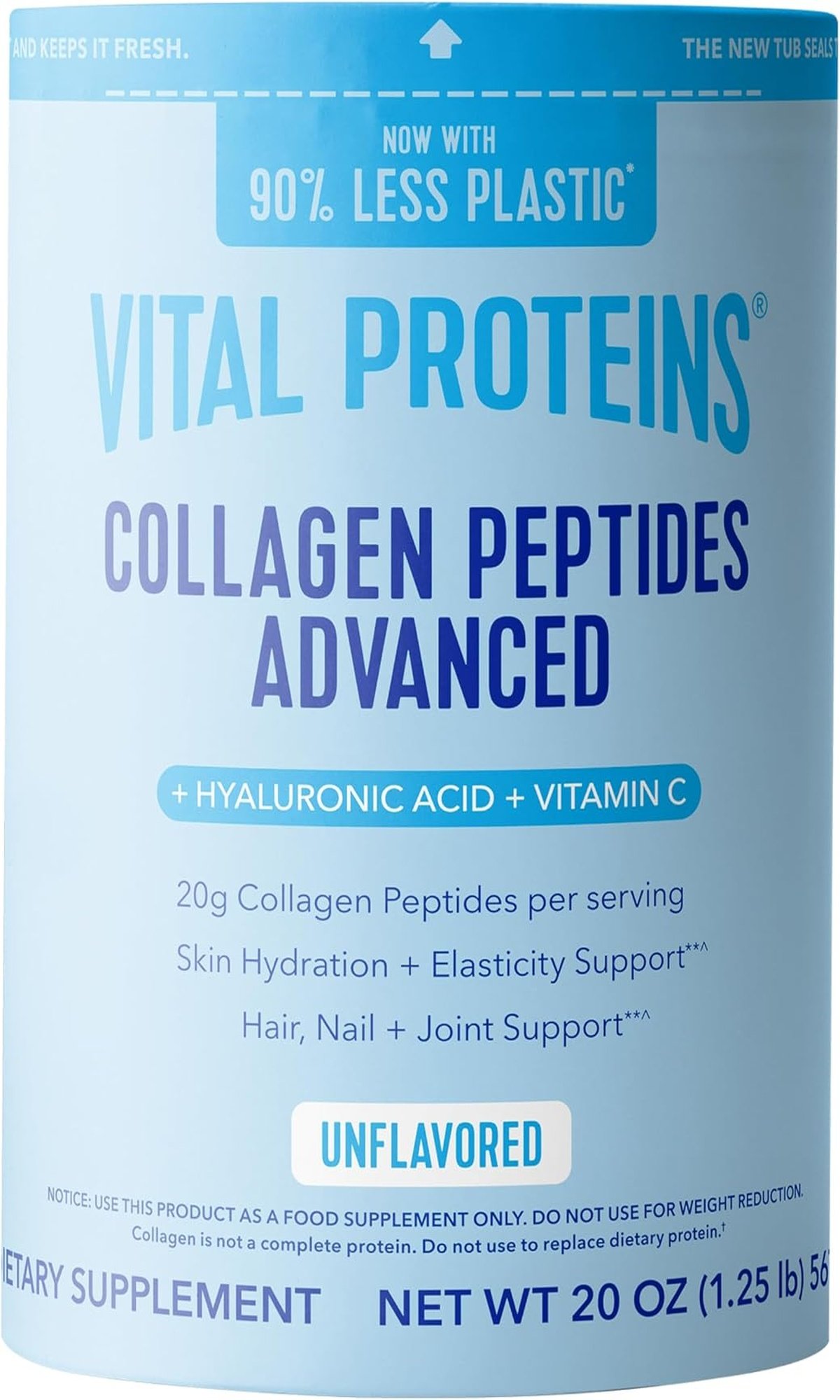
Support your skin, joints, and cellular health from the inside out — a daily scoop pairs beautifully with your fasting lifestyle.
Find it on AmazonIt supports brain health
Brain fog is one of the most common and most frustrating symptoms of perimenopause and menopause and this is where I think intermittent fasting has one of its most exciting potential benefits. Intermittent fasting increases the production of a protein called brain-derived neurotrophic factor, or BDNF, which supports brain health and function. Age-related loss of BDNF is linked to an increased risk of cognitive impairment and Alzheimer’s disease. I can’t promise fasting will eliminate brain fog completely, but in my experience it genuinely helped with mental clarity within the first few weeks.
It supports heart health
Heart health becomes increasingly important from our 40s onward as the protective effects of estrogen begin to decline. Intermittent fasting may work against the decline in heart health by reducing blood pressure and LDL cholesterol levels, and improving endothelial function, the function of the lining of the blood vessels. These are meaningful, measurable improvements that go well beyond just the number on the scale.
It improves insulin sensitivity
Insulin resistance tends to increase naturally with age and accelerates during perimenopause and menopause, making weight management harder and raising the risk of type 2 diabetes. Intermittent fasting is one of the most effective dietary tools for improving insulin sensitivity. Research shows that fasting supports healthy insulin levels, which is especially important for diabetes risk. A regular eating schedule that closes the kitchen earlier in the evening supports both healthy insulin levels and gut repair overnight.
The real risks and when to be careful
I want to be completely honest here because I think glossing over the risks does women a disservice. Intermittent fasting is healthy for most women in their 40s and 50s but it’s not right for everyone and it’s not without potential downsides when approached incorrectly.
Muscle and bone loss
Intermittent fasting comes with risks like exacerbating the muscle and bone loss that naturally occur with age. This is why protein intake during your eating window is absolutely non-negotiable. Without adequate protein, fasting can accelerate the muscle loss that’s already happening naturally in midlife. The fix is simple prioritize 25 to 30 grams of protein at every meal.
Potential side effects in the early weeks
Potential risks of intermittent fasting include nausea, fatigue, headache, dizziness, nutrient deficiencies, and hormone fluctuations in prolonged fasting. Most of these side effects settle down significantly after the first month, especially if you start with a gentle 12-hour window and build up slowly.
It can worsen symptoms if done aggressively
This is the one I feel most strongly about sharing. An aggressive fasting window, jumping straight to 16:8 or longer can spike cortisol levels in women who are already dealing with hormonal fluctuations. Elevated cortisol can worsen hot flashes, disrupt sleep, increase anxiety, and actually promote belly fat storage rather than reducing it. Starting gently and building gradually is not just a preference. For women in perimenopause and menopause, it’s genuinely important.
Who should check with their doctor first
Women should check with a healthcare provider to make sure intermittent fasting is safe for them, particularly if they have existing health conditions. I’d especially encourage this conversation if you have a history of eating disorders, are managing diabetes or prediabetes, have a thyroid condition, are on medication that requires food at specific times, or are significantly underweight. For everyone else, a gentle start is generally considered safe, but your doctor always knows your individual health picture better than any blog post can.
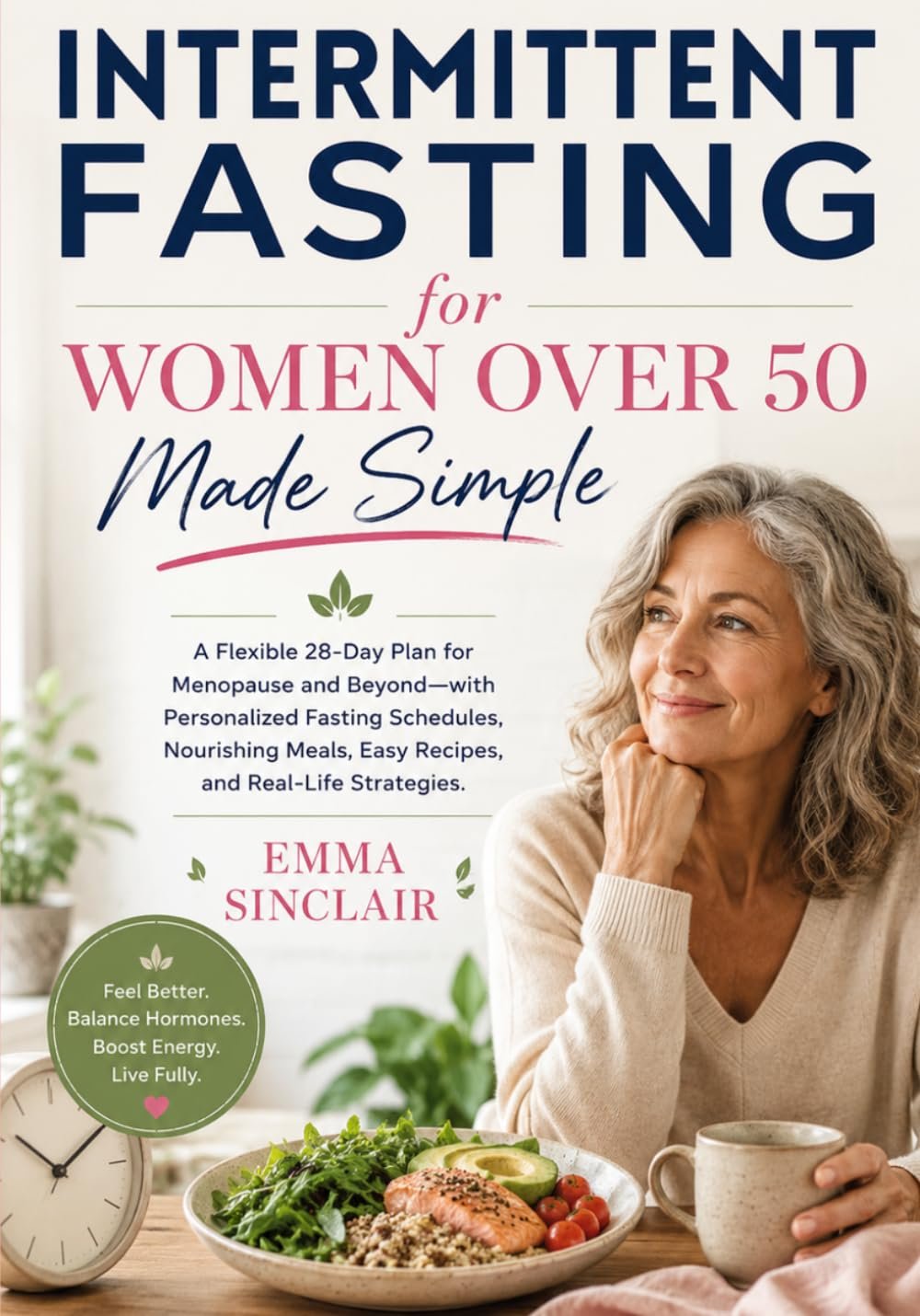
Your simple, flexible 28-day roadmap to intermittent fasting designed specifically for women in menopause and beyond.
Grab your copy on AmazonHow to make intermittent fasting as healthy as possible in your 40s and 50s
Based on everything I’ve learned from the research and from my own experience, here are the things that make the biggest difference in keeping fasting healthy and effective for women in their 40s and 50s.
- Start with 12:12 and build up slowly. Give your body and your hormones time to adjust before extending your window. There is no prize for jumping straight to 16 hours.
- Eat enough protein at every meal. Aim for 25 to 30 grams at each meal inside your eating window. This protects muscle, keeps you full, and supports your metabolism.
- Front-load your eating window earlier in the day. Your insulin sensitivity is highest in the morning. Eating earlier and closing your window before the evening works with your body’s natural rhythms.
- Stay well hydrated during your fasting hours. Water, herbal tea, and black coffee are all fine. Staying hydrated makes the fast significantly easier and supports the cellular repair process.
- Listen to your body on hard days. If you’re sleep-deprived, very stressed, or feeling genuinely unwell, it is completely okay to skip the fast for the day. Flexibility is a feature of a healthy fasting practice, not a failure.
- Focus on food quality during your eating window. Whole foods, plenty of vegetables, healthy fats, and minimal ultra-processed food will amplify every benefit fasting has to offer.
Want to know exactly what to eat during your fasting window? My post What to Eat During Your Intermittent Fasting Eating Window has everything you need.

Frequently asked questions
Is intermittent fasting safe for women in their 40s and 50s?
For most women in their 40s and 50s who are generally healthy, yes. The research supports intermittent fasting as a safe and effective tool for weight management, metabolic health, and healthy aging when approached gently and with adequate nutrition. Women with diabetes, thyroid conditions, a history of eating disorders, or other significant health conditions should speak with their doctor before starting.
Can intermittent fasting make menopause symptoms worse?
It can, if done too aggressively. Long fasting windows can raise cortisol and worsen hot flashes, sleep disruption, and mood changes in some women. Starting with a 12-hour window and building up gradually to 14 hours minimizes this risk significantly. Most women who follow a gentle approach find that fasting actually improves their menopause symptoms over time rather than worsening them.
Will I lose muscle if I fast in my 40s or 50s?
You can lose muscle with fasting if you don’t eat enough protein during your eating window. The fix is straightforward: prioritize 25 to 30 grams of protein at every meal inside your window. When protein intake is adequate, fasting supports muscle maintenance rather than compromising it.
How is intermittent fasting different from a regular diet?
Traditional diets focus on what you eat and usually involve restricting calories or food groups. Intermittent fasting focuses on when you eat and doesn’t require you to count calories or cut out food groups. This makes it much more sustainable for most people long term. You can eat the same foods you normally enjoy, just within a defined eating window each day.
What is the healthiest fasting schedule for women in their 40s and 50s?
Most research and practitioners point to 14:10 as the sweet spot for women in perimenopause and menopause. It’s long enough to deliver meaningful metabolic and cellular benefits but short enough to avoid stressing your hormonal system. Start at 12:12 for two weeks, then gradually extend to 14:10. Only push to 16:8 if 14:10 feels genuinely comfortable and sustainable.
I hope this gives you the clear, balanced picture you were looking for. The honest answer is that intermittent fasting is healthy for most women in their 40s and 50s, but only when it’s done with care, with adequate nutrition, and with respect for the very real hormonal changes happening in your body. Approached that way, I genuinely believe it’s one of the most powerful wellness tools we have available to us in midlife.
Ready to start fasting the right way?
My 28-day intermittent fasting plan was designed specifically for women in midlife — gentle, flexible, and backed by the latest research on women’s hormonal health. Everything you need to get started safely and confidently, all in one place.
Grab your copy on AmazonAffiliate link. See disclosure at top of post.
A little note from Emma: The information shared on Her Wellness Path is for educational and informational purposes only and is not intended as medical advice. I’m not a doctor or registered dietitian. Every body is different, especially during perimenopause and menopause, so please do your own research and always check with your healthcare provider before making changes to your diet, fasting routine, or wellness plan. You know your body best.